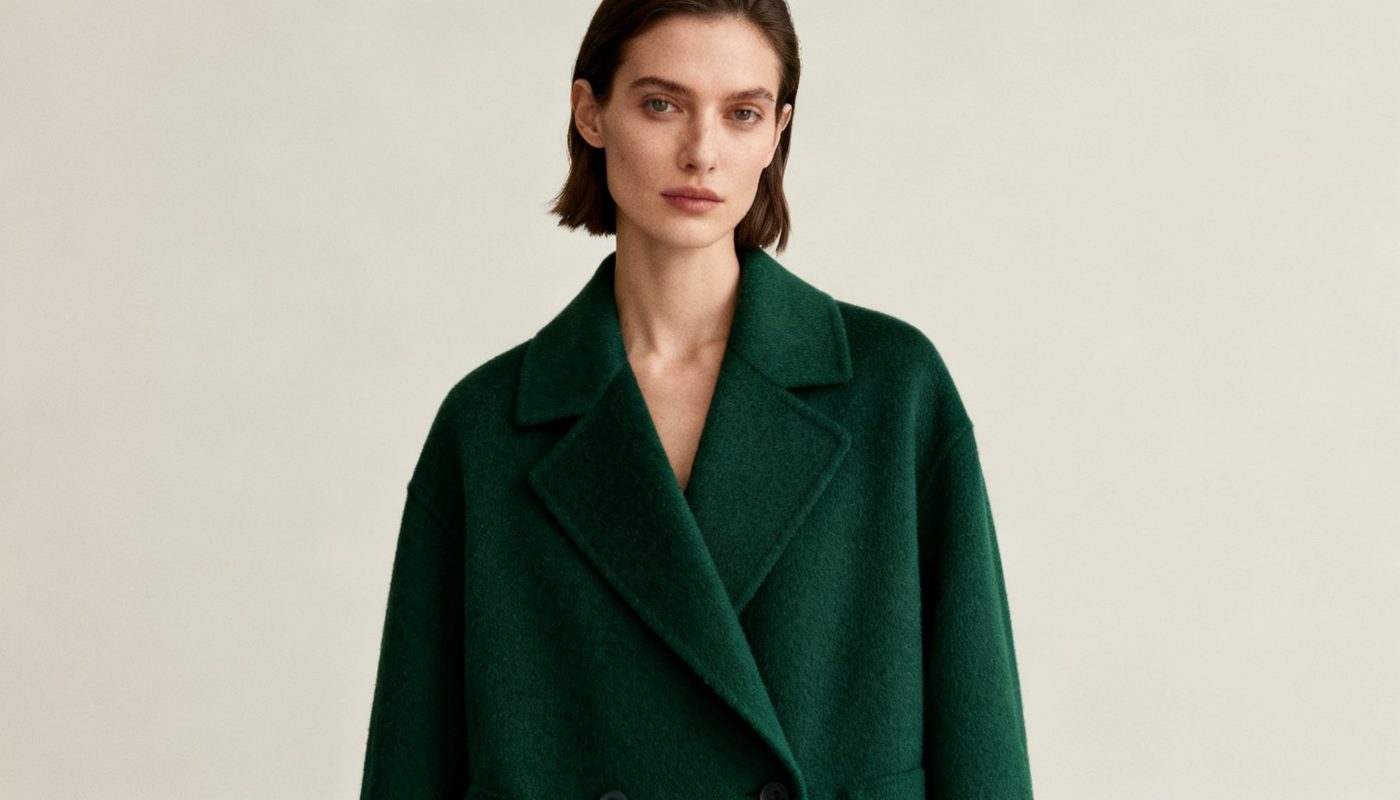
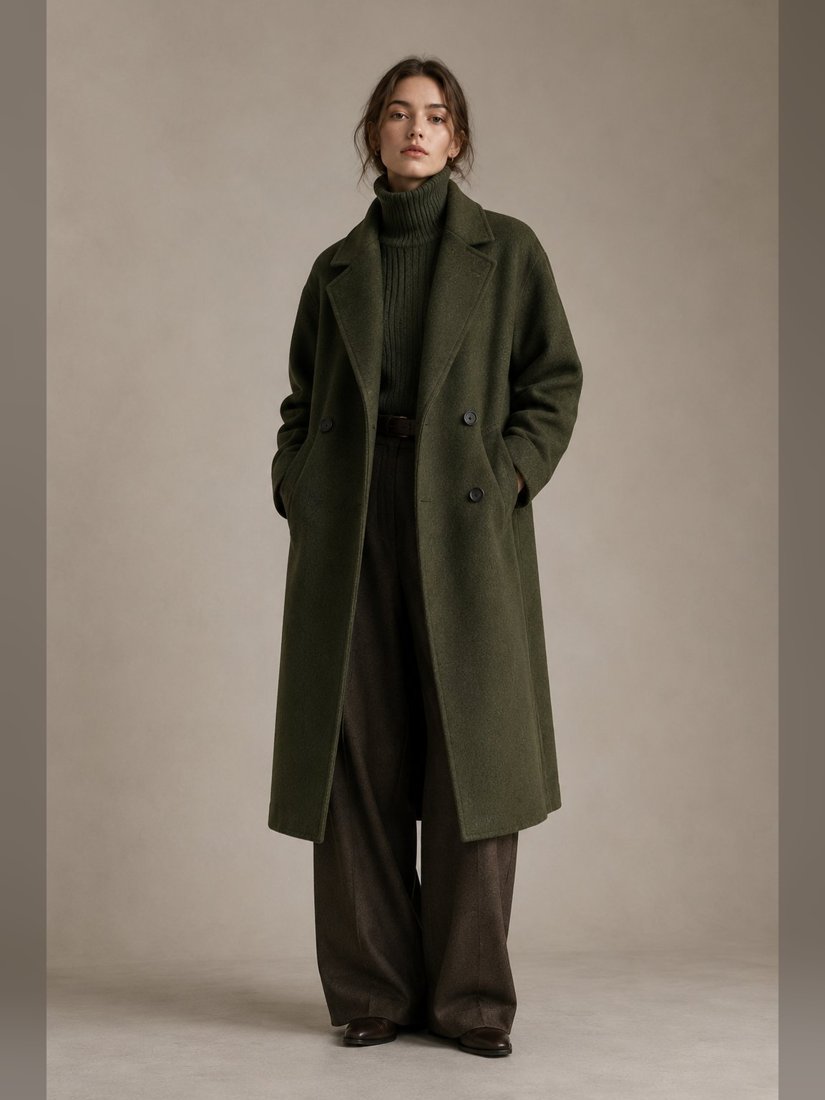
Type “a model in a green coat” into a generic image tool and you’ll get exactly that: a model in a green coat. It might even be beautiful. But show it to anyone who works in fashion and watch their face. The drape is impossible. The fabric reads like plastic. The silhouette belongs to no season anyone’s planning for, and that lighting? It would never make it past an editorial desk.
So the tool made an image. The question is: did it make fashion?
That’s the whole gap we’re talking about. The distance between a picture that looks fine at a glance and an asset you can actually put in front of a buyer, a client or a creative director. And it’s the gap McLeuker AI’s image and video generation was built to close.
Here’s the part that matters: it isn’t a separate creative app you tab over to. It lives inside the same fashion intelligence engine that runs your research. So whatever you generate is already shaped by the industry, grounded in real data and ready to drop straight into the deliverable you’re building. No detour. No handoff.
Generic AI sees the web. McLeuker AI sees fashion and now it can draw it, too.
What can you actually make?
1. Images. McLeuker generates high-fidelity visuals through a multi-provider chain, and gives you real control (e.g. subject, style, lighting, composition, mood). It comes with presets tuned for the work fashion people genuinely do: photorealistic, artistic, fashion, product, and a luxury editorial look that’s the default.
That’s the line between a true AI fashion design tool and a generic generator that happens to know what a dress is.
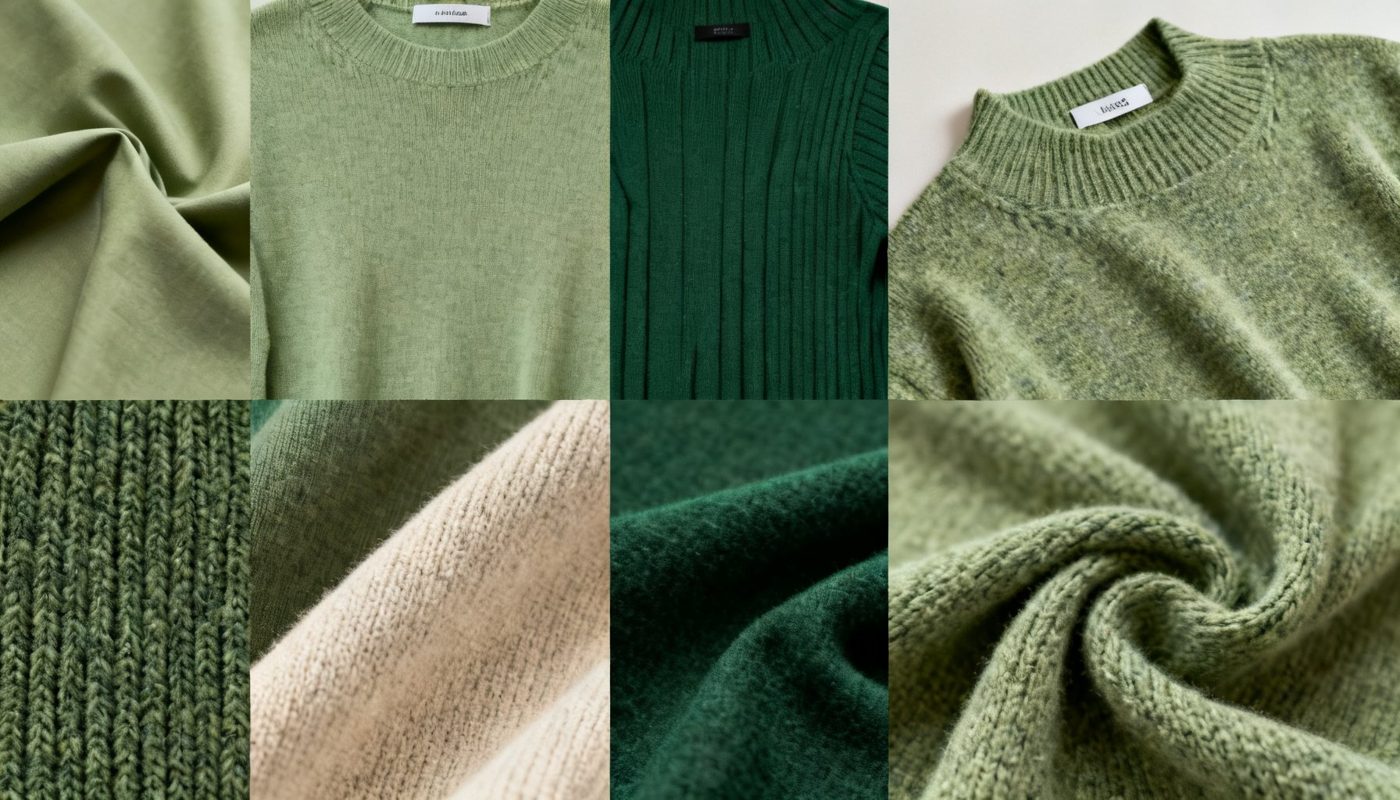
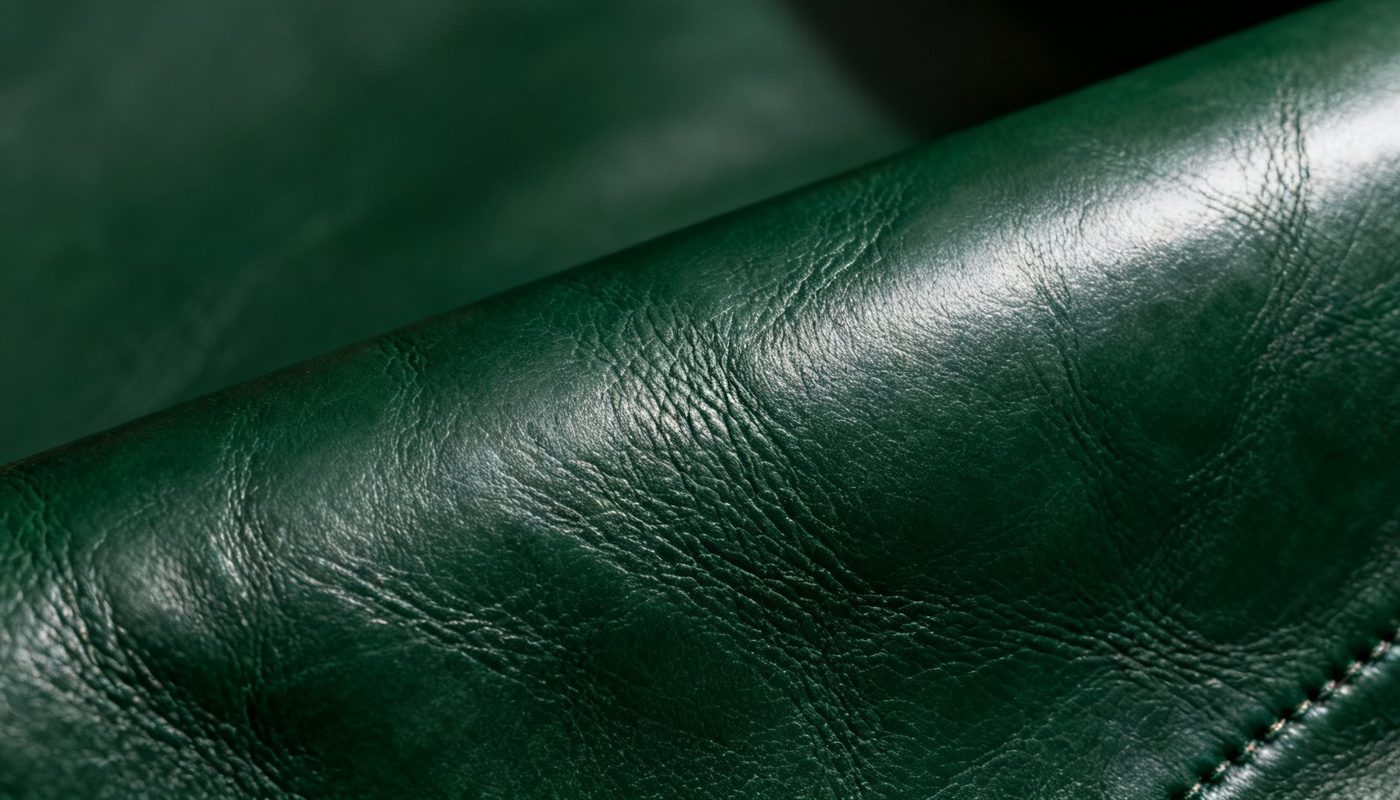
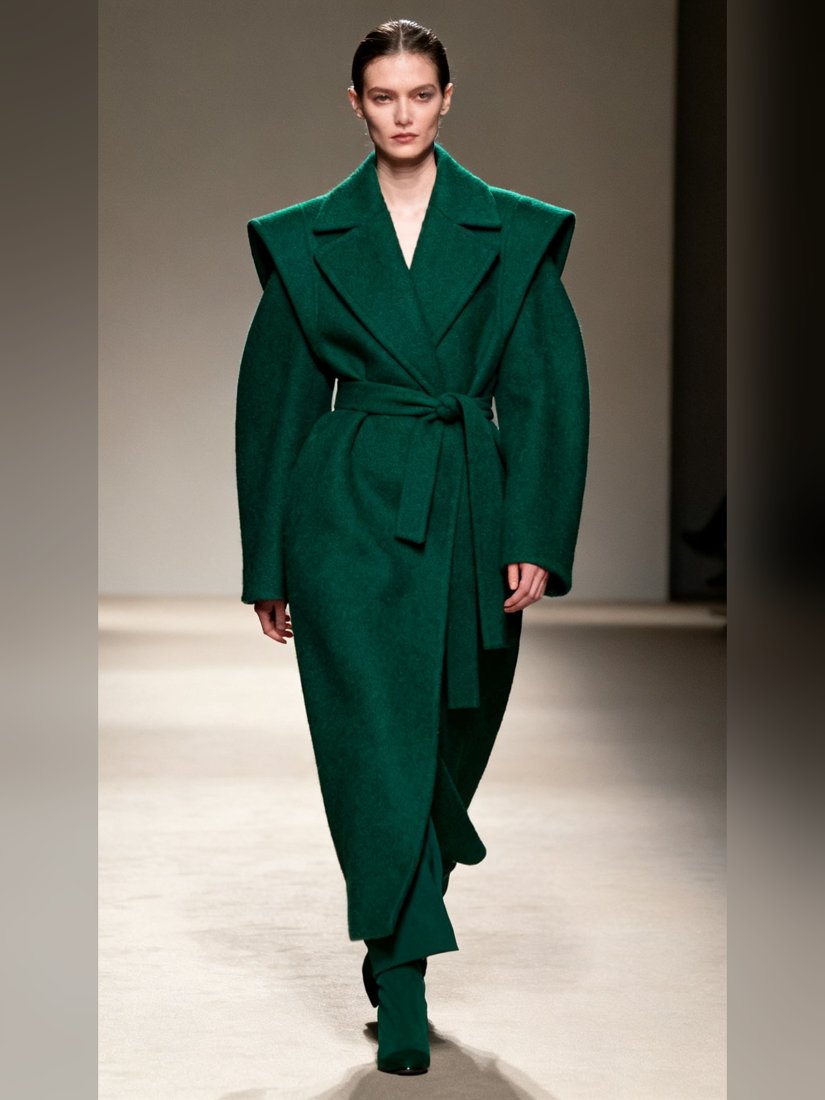
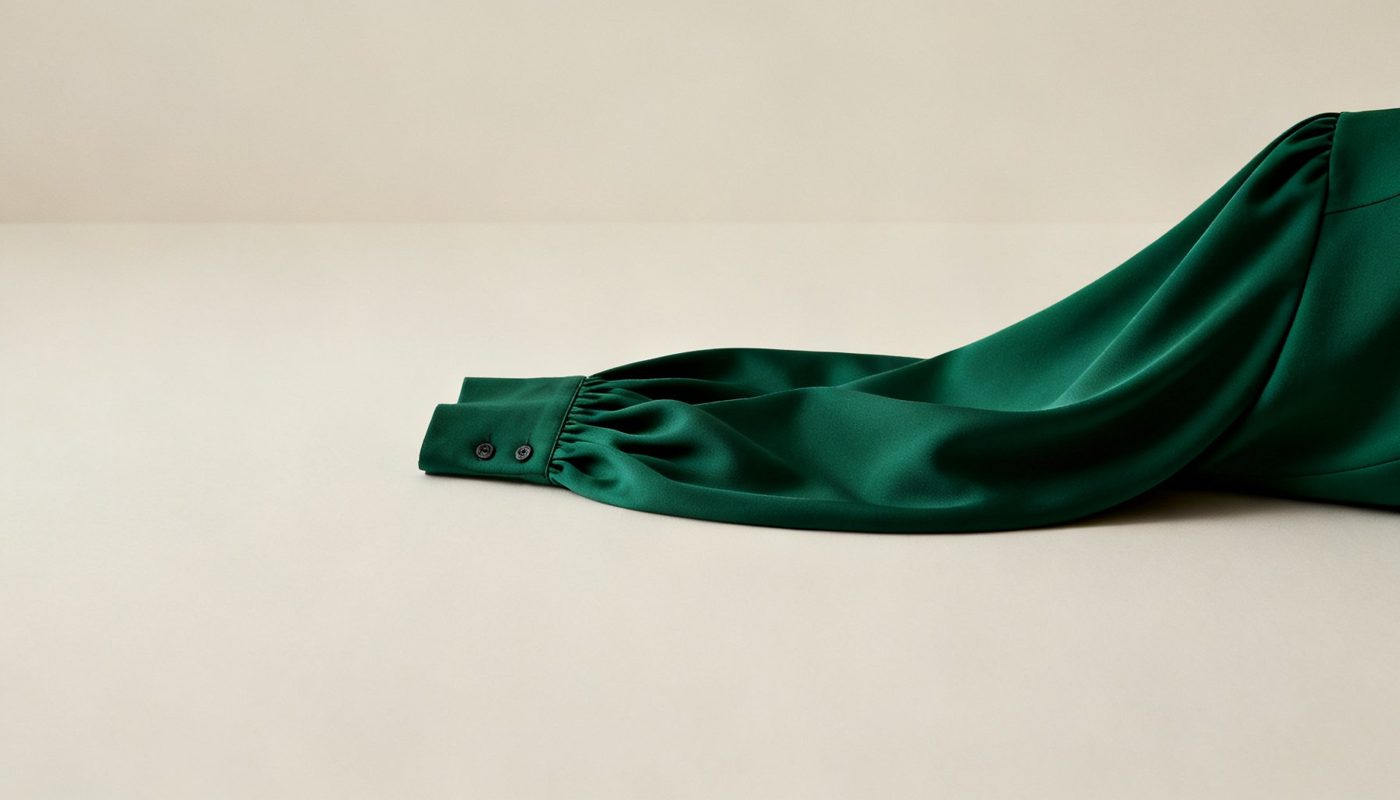
In practice? Runway looks. Product shots. Moodboard imagery. Campaign visuals, fabric close-ups, trend boards (square, landscape, or portrait, up to 1792 pixels on the long edge). And every one of them can be dropped straight into a PDF report, a Word doc or an HTML moodboard. You can even index them into a visual library and search them later.
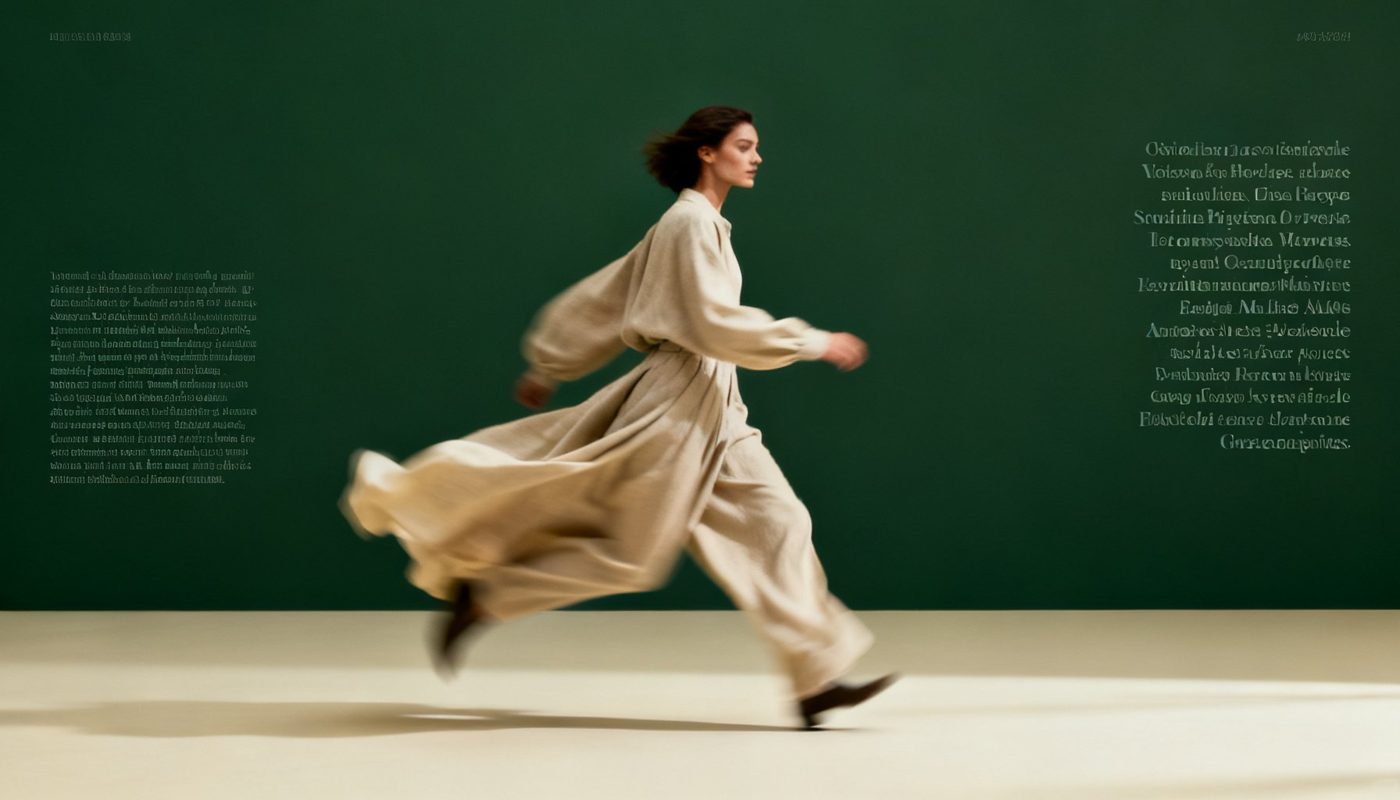
2. Videos. Short clips, five to fifteen seconds, through a tiered provider chain, with motion-aware prompting. Runway walks, fabric in movement, a model posing, a product turning, a trend animated into something you can actually feel. They come in 16:9, in 9:16 for Reels and social or 1:1.
By default, each clip arrives with its own generated soundtrack. Want it to say something? Layer in a voiceover (a trend explanation, a line of brand storytelling) in one of six voices, or mute it entirely and let it loop. That narration is the quiet trick, honestly: it turns a pretty clip into an argument. The viewer doesn’t just see the look. They hear why it matters.
But isn’t this just what Midjourney already does?
Fair question. And no, not really.
Midjourney, DALL·E, Runway, Kling, all of them are excellent at raw generation. We’re not going to pretend otherwise. But raw generation is the last five percent of a fashion professional’s job. McLeuker is built around the other ninety-five.
What does that actually mean in practice?
- It’s part of one workflow. The image isn’t born in a vacuum. It’s created in the same session as your live market research, your trend data and your competitor analysis. For this reason, the visual reflects the insight instead of floating free of it.
- It lands inside the deliverable. Assets are made to embed straight into PDFs, decks and documents. No export-import shuffle, no resolution mismatch, no rebuilding the moodboard somewhere else at midnight.
- It actually understands fashion. The presets, the prompting, the visual indexing, all of it is built around silhouette, fabric behaviour, runway lighting, retail spaces, street style. A generic tool can get there, but only if you fight it with paragraph-long prompts. Here it’s the starting point.
- It can stand on real data. A palette built from documented fashion trend analysis, not invented out of thin air. That’s the difference between a confident guess and something you’d actually defend in a meeting.
- It remembers. Generated images can be indexed and pulled back later through visual search. Over time your aesthetic becomes a searchable archive: a kind of organisational memory a standalone tool simply can’t give you.
What about speed?
Because in fashion, speed isn’t a nice-to-have. It’s the whole game.
A drop, a campaign concept, a pitch, a trend read, every one of them has a window, and the window is never as wide as you’d like. The old route from idea to visual went through a photographer, a designer, or a long evening in Photoshop and Canva. McLeuker collapses all of that into a single prompt and a finished asset in seconds, then lets you place it in the report or the deck without ever leaving the platform.
And here’s the thing about that speed: it compounds. When the moodboard, the trend analysis behind it, and the deck it lives in all come out of one session, a concept that used to eat a week of back-and-forth becomes an afternoon. The hours you get back? They go where they should: into the taste, the edit, the call only a human can make.
Prompt. Fashion-ready asset out. Straight into the work.
Generic Tool vs. McLeuker AI
| What you need | Generic AI tool | McLeuker AI |
|---|---|---|
| Fashion relevance | Needs heavy prompting to read as fashion | Tuned for silhouette, fabric, runway lighting |
| Grounding | Invents; no link to real data | Anchored to documented trend signals |
| Deliverable | Export, then rebuild elsewhere | Embeds straight into PDF, deck, doc |
| Workflow | A separate app to switch to | Same session as research and analysis |
| Memory | Each output is one-off | Indexed into a searchable visual archive |
What it won’t do (yet)
We’d rather be straight with you than let you hit a wall mid-project. So here’s where the edges are today:
- Short video only. Five to fifteen seconds. No full runway shows, no multi-minute narrative pieces.
- Prompt-based, not canvas-based. No interactive editing, no inpainting or outpainting. If you want a change, you prompt again.
- Fashion-first by design. It’s optimised for fashion, beauty and lifestyle. Point it at something unrelated and it’ll work, just less brilliantly.
None of these are permanent. They’re the edges of this version and they keep moving as the providers underneath us improve. We just think you should know where the line is before you reach it.
Where is my mind?
Visual generation on its own is becoming a commodity: impressive and everywhere now. What isn’t a commodity is a visual that understands fashion, stands on real data, and shows up already inside the work you’re trying to ship. That’s the whole difference between a tool that makes images and a platform that makes fashion.
The fastest way to feel it isn’t to read about it. It’s to ask for something specific: a moodboard for your next collection, a campaign concept, a fifteen-second trend explainer and watch what comes back.