The Frontier State of AI in Fashion — What Actually Works in 2026
Half the AI tools the fashion industry tried in 2024 didn't survive. Here's what's left, what's working, and what's coming next — from the team building agentic AI for fashion full-time.

Three years ago, every AI tool sold to fashion was a generic chatbot with a fashion logo on the homepage. Most of them are gone now. The ones still standing share something specific: they were built for fashion, not adapted to it.
We've been building McLeuker AI — the first agentic AI fashion research and execution platform — through that wave. We've tested forty-plus tools end-to-end, run thousands of real briefs through our own stack, and talked to designers, buyers, and brand strategists who've felt the gap between "AI" the buzzword and AI that actually closes a tab on a Tuesday afternoon. This is what we see, written from inside the build.
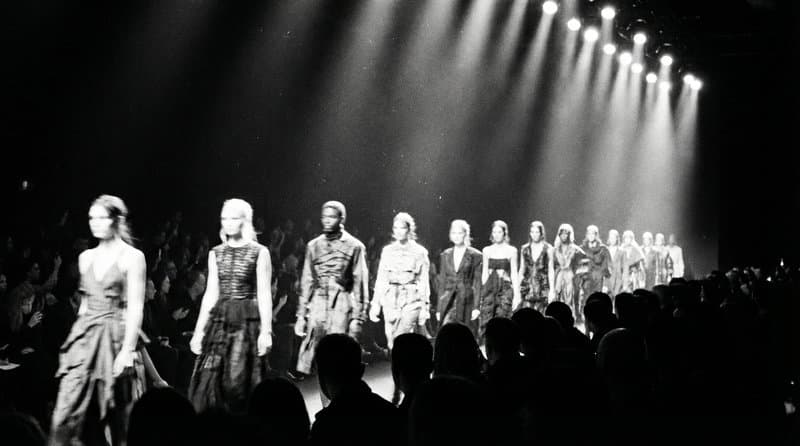
The fashion-specific stack is winning
The clearest pattern in 2026: the fashion industry is moving away from generic AI assistants and toward fashion-domain AI tools. ChatGPT can describe a runway show. It can't tell you which Tier-2 mill in Prato will hit your MOQ on a regenerated nylon below €18/m by week 14, with OEKO-TEX 100 documentation that holds up in a CSRD audit.
That gap is where AI in fashion industry is being rebuilt. Not on top of generic chatbots, but underneath them — fashion-specific data sources, fashion-aware models, fashion-ready output formats.
The brands feeling real lift have stopped asking which AI assistant should we license. They're asking which AI fashion tools fit our trend forecasting workflow, which fit our supplier sourcing workflow, which fit our brand forecasting workflow — and how do those connect.
Trend forecasting AI moved from spectacle to operations
The first wave of AI fashion trend forecasting was demo-driven: pretty visualisations, social-signal heatmaps, color-of-the-season generators. Boards loved them. Buyers ignored them. The output didn't connect to a buy.
The current wave is different. Fashion trend analysis AI now ships with structured deliverables — Excel sheets with confidence intervals on emerging silhouettes by region, PDFs that include source citations from runways, social, and editorial, slide decks ready for a Monday merch meeting. The intelligence got the same. The packaging got serious.
For brands using AI fashion trend forecasting in operations rather than marketing, the unit economics now make sense. A research task that took a senior trend analyst three days takes a fashion-domain agentic AI agent eight minutes, with sources, with structure, with confidence levels. The analyst still owns the call. The grunt work is gone.
Agentic AI fashion — the real shift
The shift that matters most in 2026 isn't "AI got smarter." It's "AI started doing tasks instead of describing them."
Agentic AI fashion means the AI doesn't just answer your question about Q3 denim trends. It plans the research, runs the searches across runways and retail data, structures the output, generates the comparison table, exports the deck, and surfaces three follow-up questions you should ask. It executes. End to end.
Agentic AI fashion isn't about AI getting smarter. It's about AI starting to do tasks instead of describing them.
The first wave of agentic AI was unreliable — agents wandered, hallucinated, gave up. The 2026 wave is dramatically more grounded. Fashion-domain prompting, narrower tool sets per task, better failure recovery. The brands deploying agentic AI for fashion brands now report task-completion rates above 80% on well-scoped briefs. That's not a demo. That's an operational tool.
What's not working (yet)
Let's be honest about the gaps, because the AI-in-fashion press cycle won't be.
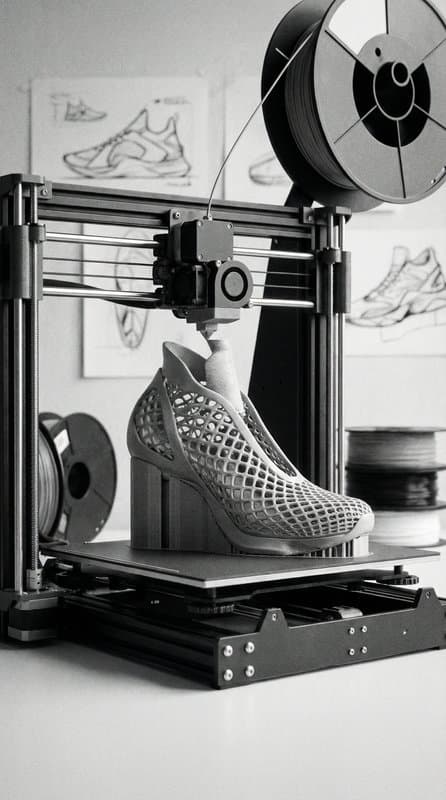
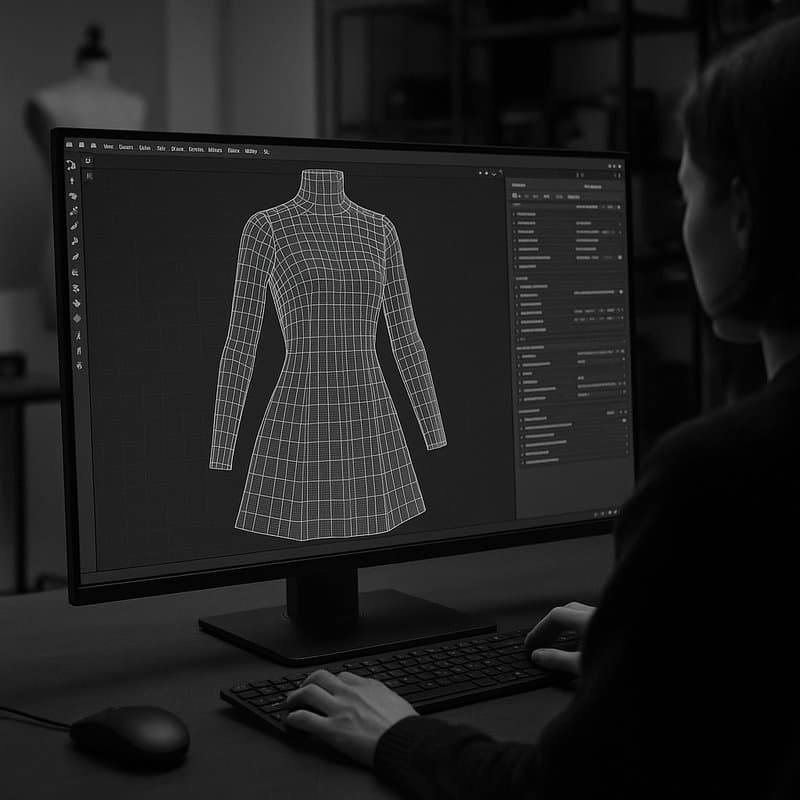
- [AI fashion design tools](/blog/ai-fashion-design-tools-honest-assessment) — generative imagery is impressive on Instagram, mediocre in a real design studio. Fabric drape, garment construction, technical-pack-grade specificity remain weak. Useful for moodboarding. Not yet useful for tech packs, fittings, or graded patterns.
- [Brand forecasting AI](/solutions/brand-intelligence) for small and emerging brands — the data lift is much harder when a brand has under three years of operating history and limited social signal. AI-driven brand forecasting works well for brands with depth; for new brands, the human strategist still beats the model.
- Real-time runway intelligence — the gap between "show ended in Milan" and "structured trend report in your inbox" has compressed from weeks to hours, but the hours-not-minutes piece is real. Live show coverage by AI is still mostly a marketing claim, not an operational tool.
What we expect for late 2026 and into 2027
Three things look load-bearing.
Fashion task automation gets serious. The next twelve months are about specific workflows being collapsed end-to-end — brief in, deliverable out — not just chat answers. The platforms that nail fashion task automation will pull ahead. The platforms still positioning themselves as fashion chatbots will fade.
The first true fashion brand forecasting platform AI emerges. Right now the brand-strategy market is fragmented across consultancies, ad-hoc analysis, and partial AI tools. A unified AI-driven brand forecasting platform — competitive positioning, market white space, sentiment, growth signals, all stitched together — is the obvious next product.
Smaller, faster, cheaper. The 2024 wave assumed every fashion AI feature needed a frontier model. The 2026 wave understands that fashion task automation can run on much smaller, cheaper, faster fashion-tuned models for 80% of the work, escalating to frontier models only when the task demands it. The economics shift dramatically.
The bottom line
The fashion industry is past the "should we use AI?" debate and well into "which AI for which task?" The teams that win in 2026 won't be the ones with the most tools. They'll be the ones who picked specialised AI fashion tools — fashion trend analysis AI for trends, AI for fashion brands for brand strategy, agentic AI fashion platforms for task execution — and integrated them into how they actually work.
Generic AI sees the web. Fashion-domain AI sees fashion. The gap matters more, not less, every quarter.
We'll keep writing from inside the build. McLeuker Research goes deep on the workflows, the tools, the brands using them well, and the ones who got it wrong — so you don't have to. Follow along: LinkedIn · Instagram · X.
Filed under
Series · The Frontier of AI in Fashion
2 of 7