


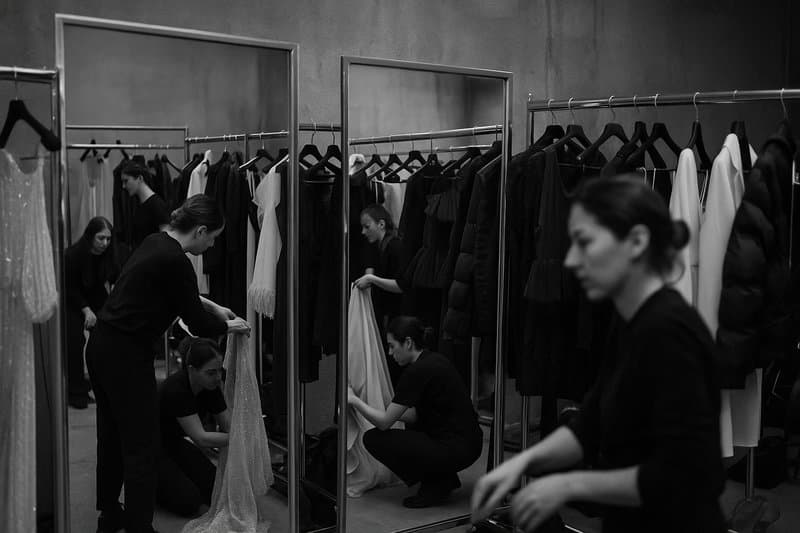
By Sector · Fashion
The season, read before it is bought.
Runway signals, silhouettes and street-style intelligence. Every claim carries the source it came from, and every read ends in something you can put in front of a buyer.
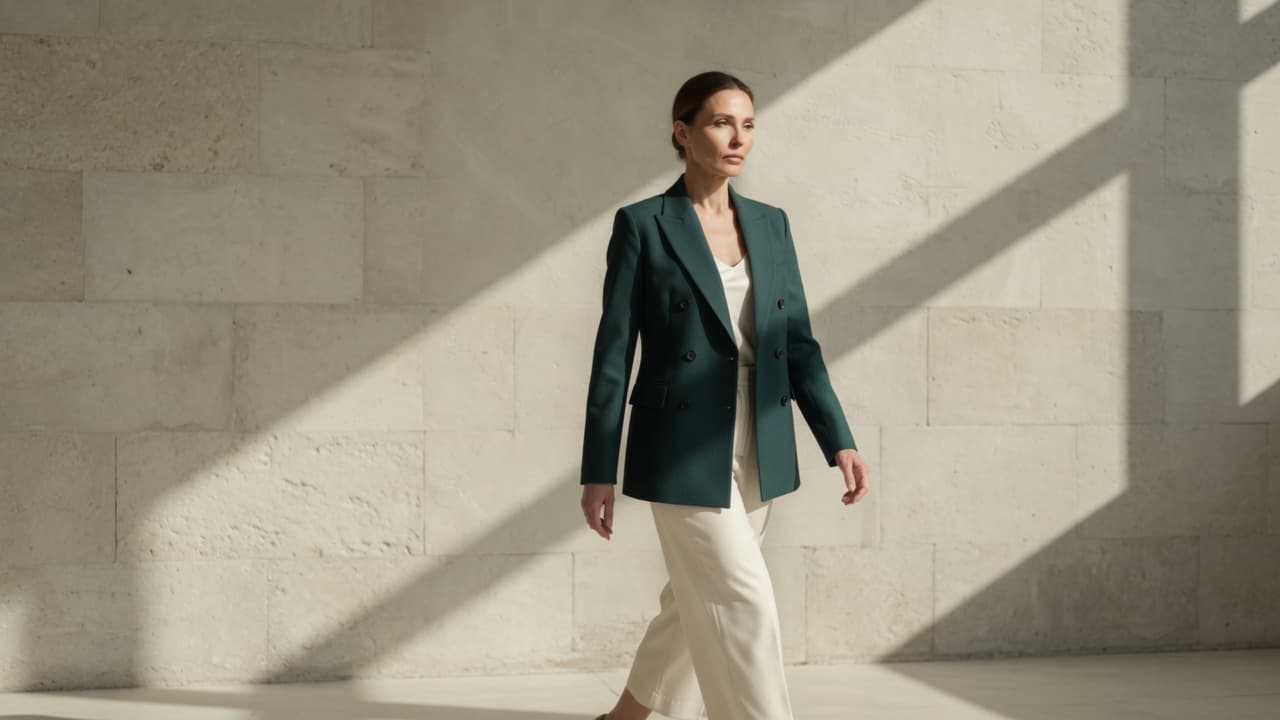
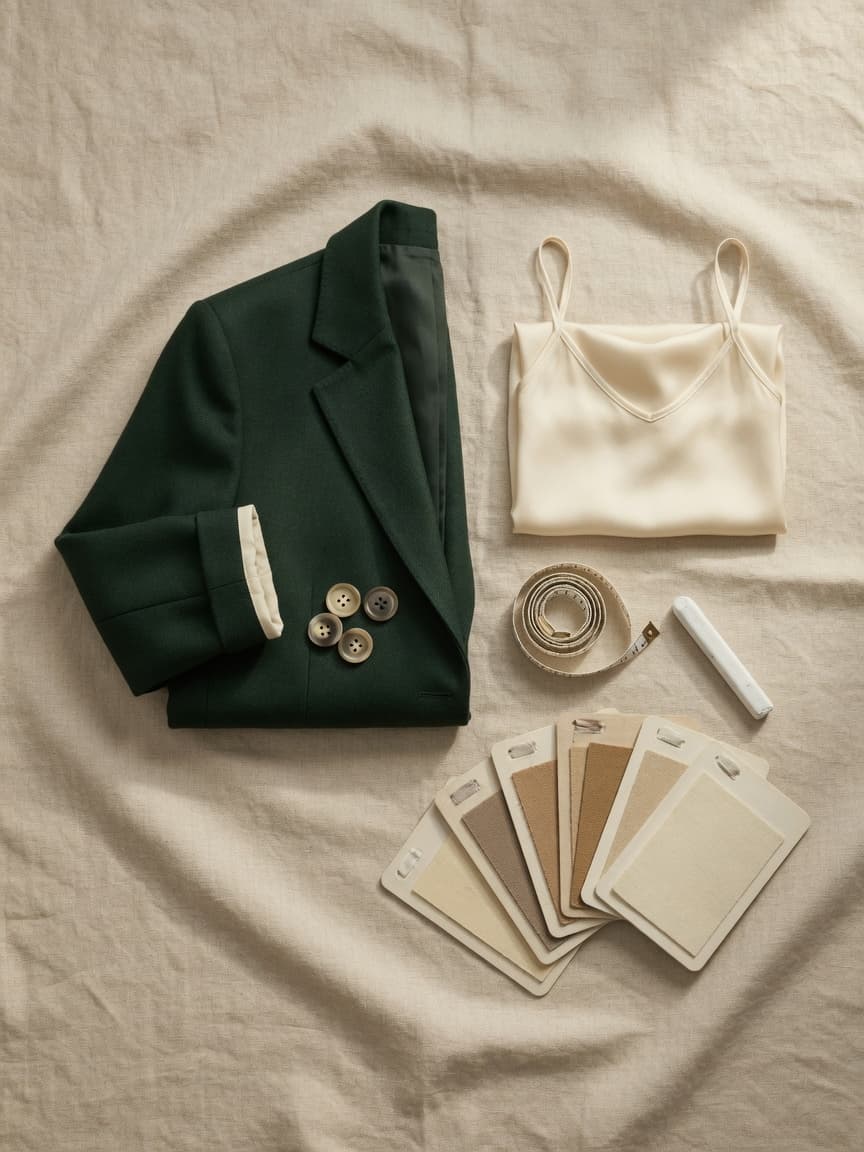
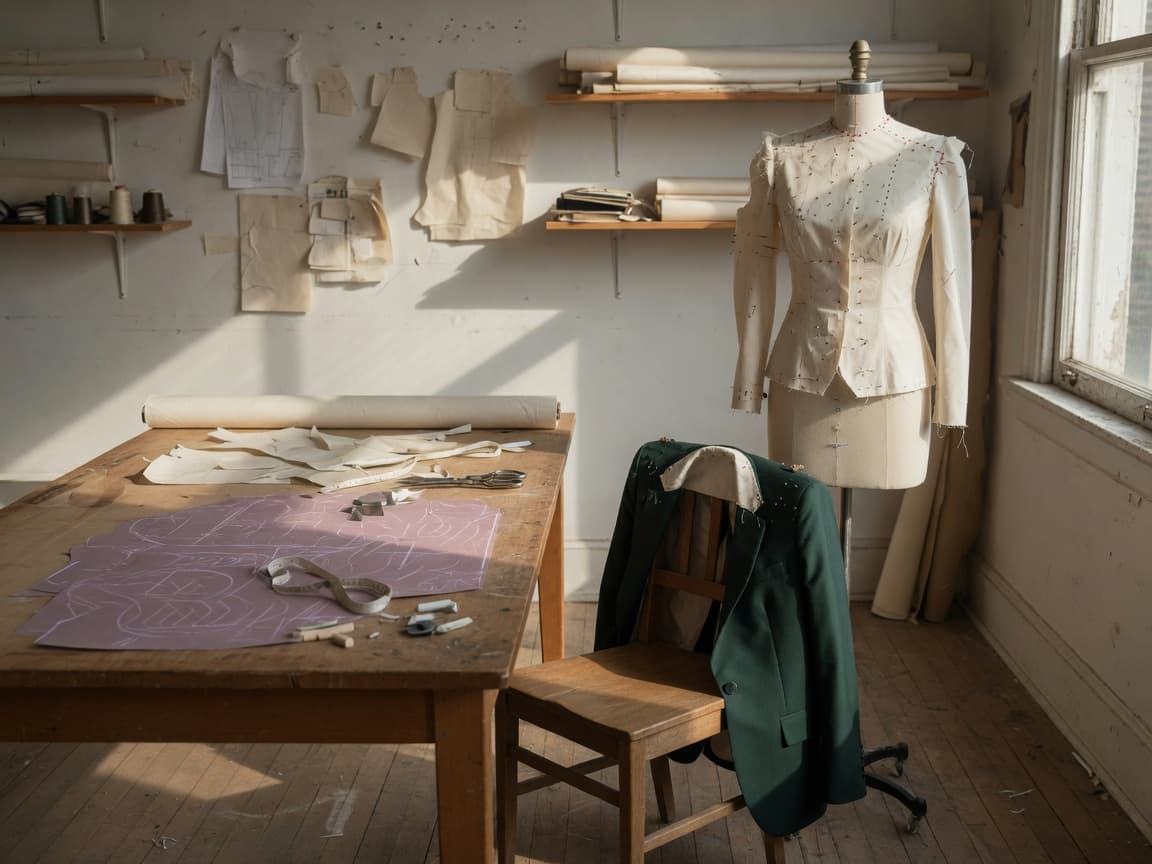
What this sector is a watch on
Silhouette, colour and fabric direction - set on a show calendar you do not control, then confirmed or denied by what retail actually repeats.
How fast the answer goes stale
A season's read is spent by the mid-season markdown; the shows that set it are eight weeks old by then.
The mix
Most of a range is not the new part.
Volume and newness run in opposite directions, and the pieces that pay for the season are the ones that were there last season.
- CarryoverProven, already costed, and the reason the season has a floor
- CoreThe house's own language, re-cut each season rather than re-invented
- SeasonalWhere the trend read is actually spent, and where it can be wrong
- StatementSmallest buy, most of the press. Judged on attention, not sell-through
Volume and newness run opposite ways. Widths are ordinal - yours is built against your own sell-through.
The order it happens in
Read the season. Make the collection. Ship the order.
Asked in this order because each needs the last one's answer.
- 01
Know
Which silhouette, colour and fabric story the season is moving toward - read across the shows, the street and what retail actually repeated, with every claim cited.
Cited as it goes, so the forecast survives being challenged in a buy meeting.
- 02
Create
The collection itself: editorial looks, a campaign film, the moodboard behind it and a lookbook a buyer can read.
Looks, film, board and lookbook come out of one brief rather than four.
- 03
Produce
The line sheet, the tech pack and the size curve that turn a look into an order and an order into a shipment.
The paperwork is generated from the same collection, so it cannot disagree with it.
Fashion · the shelf
Seven documents, all of them real.
Every cover is a file this platform produced. Open any of them in full - no account needed.
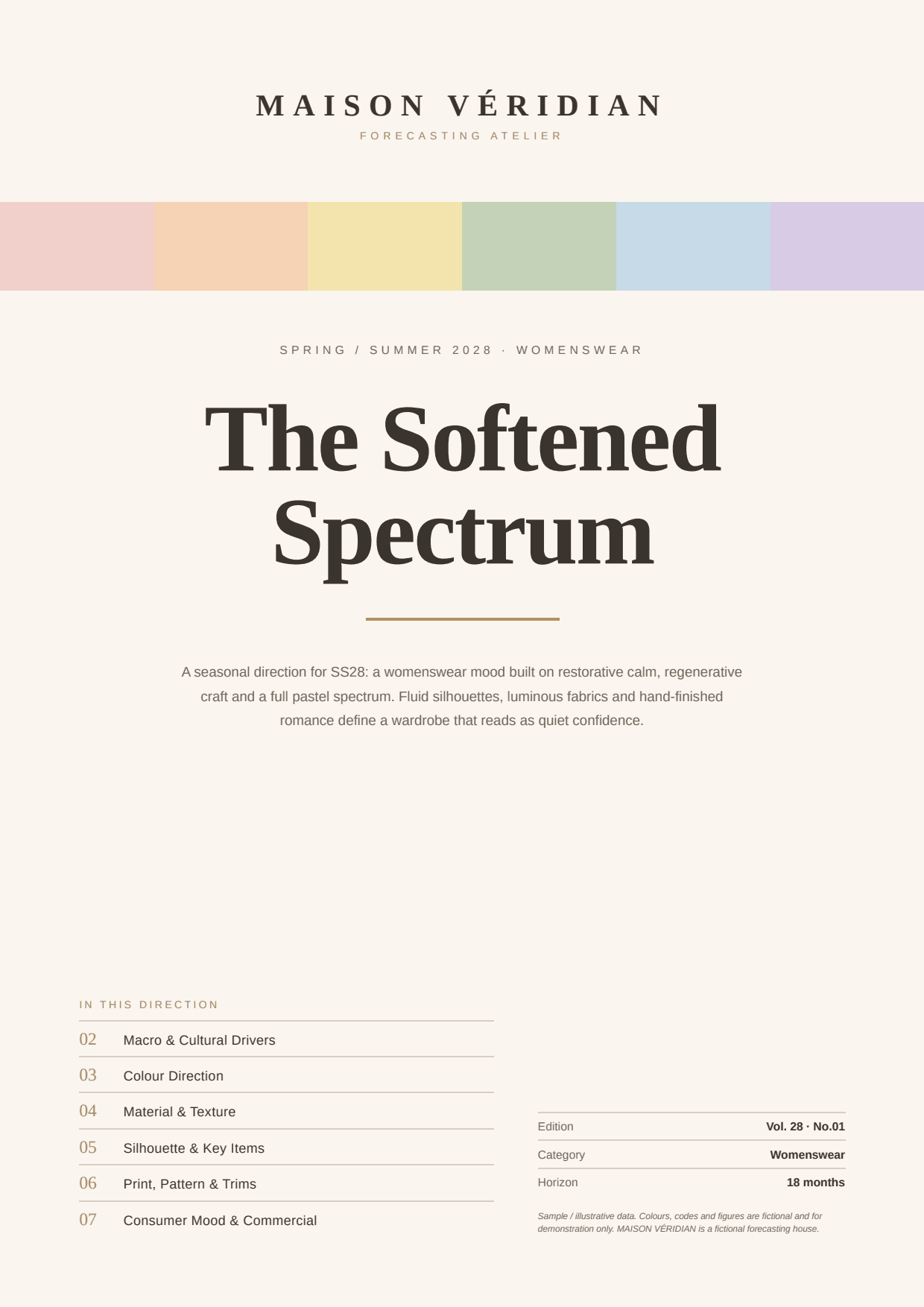 PDFTrend Forecast7 pages · open the file
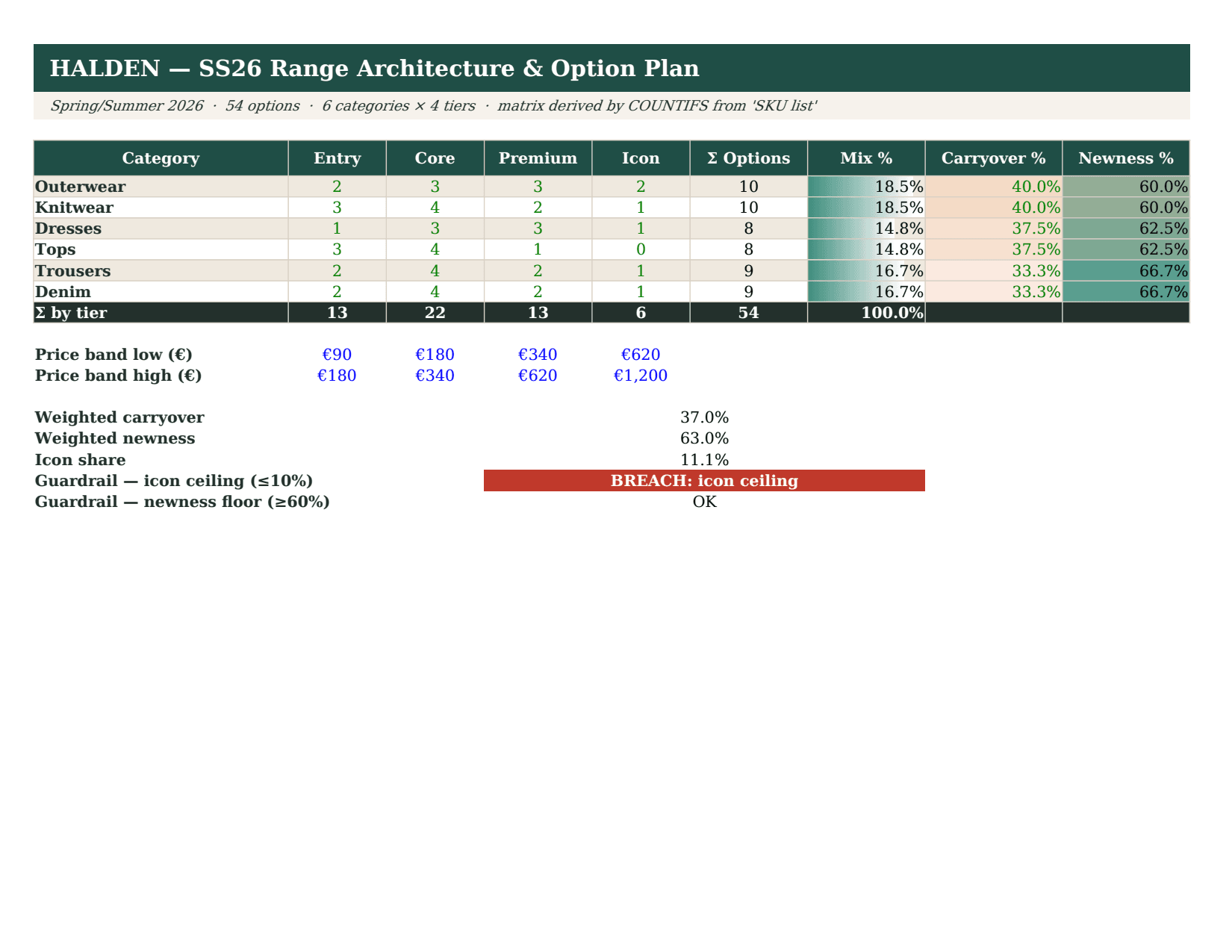 ExcelRange Architecture & Option Plan3 pages · open the file
 PDFSalt & Iron - Graduate Collection Statement6 pages · open the file
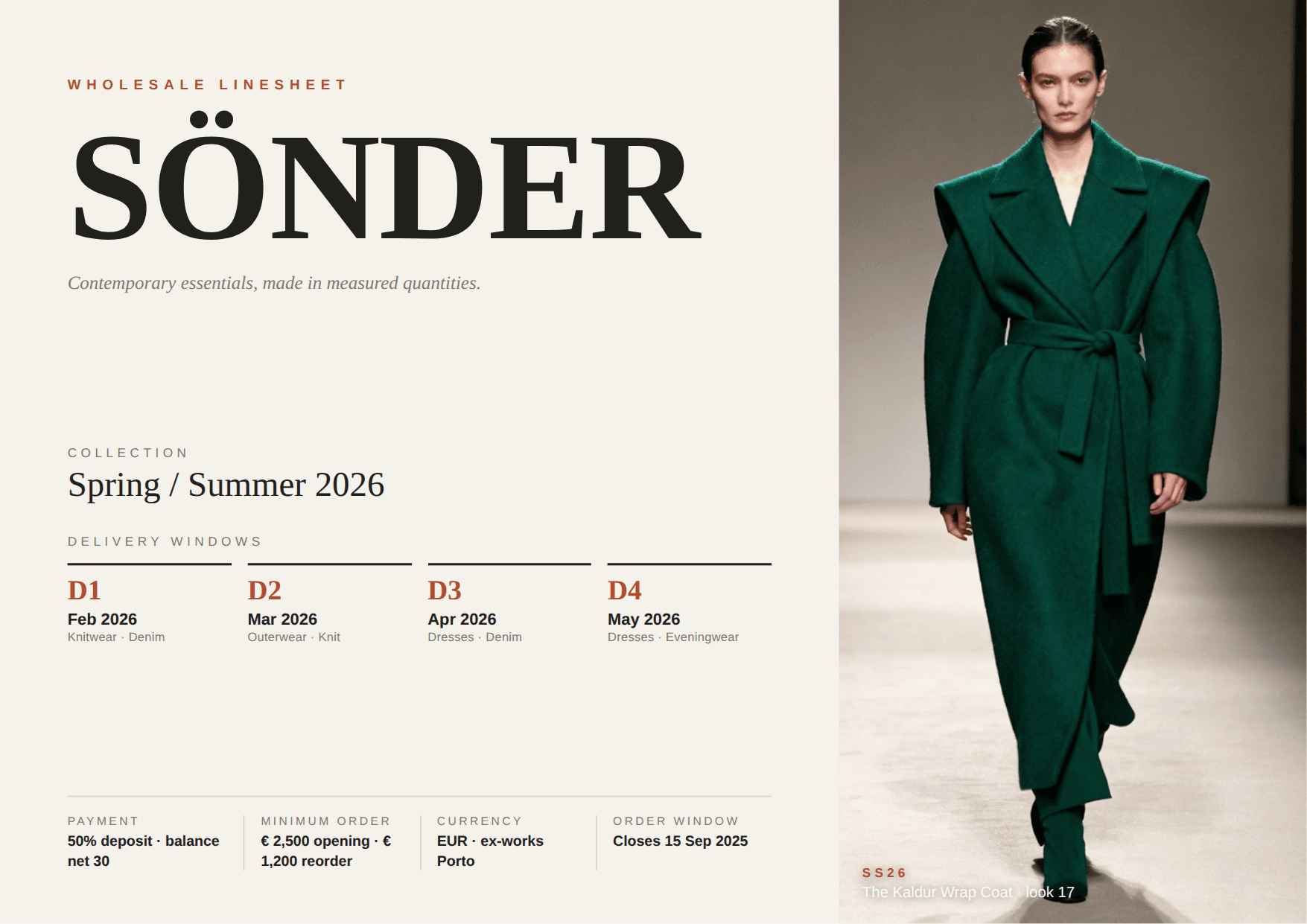 PDFSÖNDER - SS26 Wholesale Linesheet6 pages · open the file
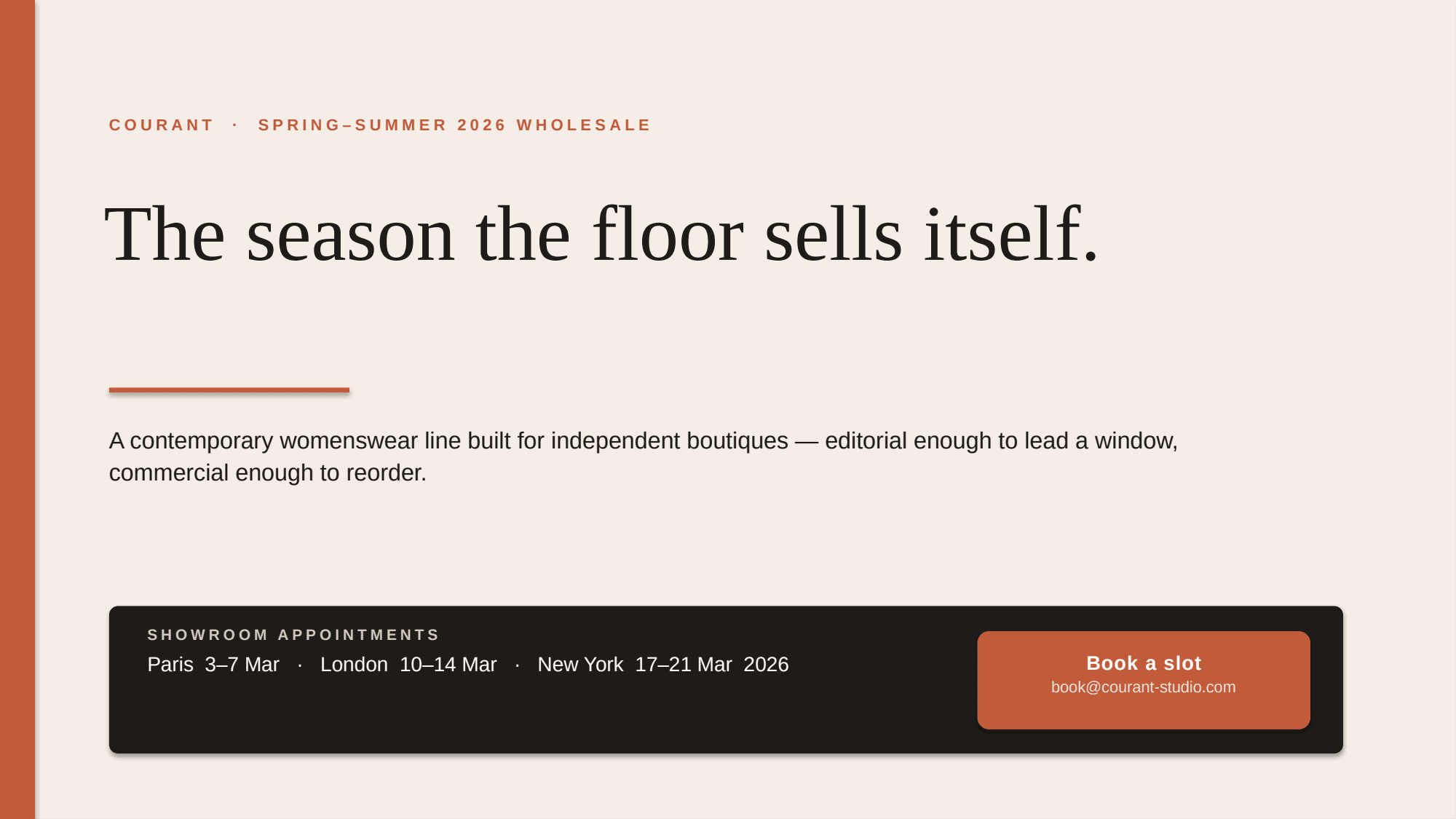 DeckCOURANT SS26 - Buyer Sell-In10 pages · open the file
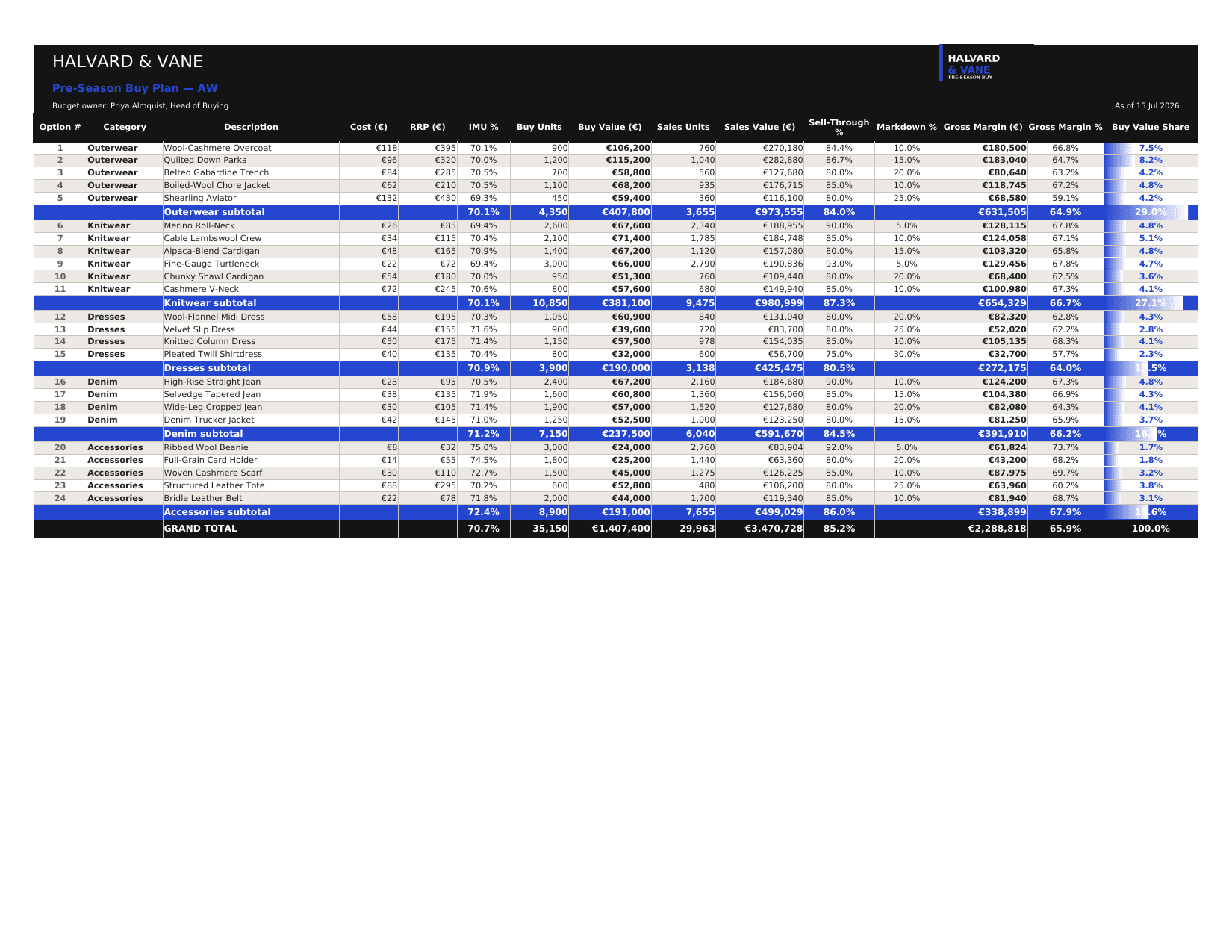 ExcelPre-Season Buy Plan - Halvard & Vane AW4 pages · open the file
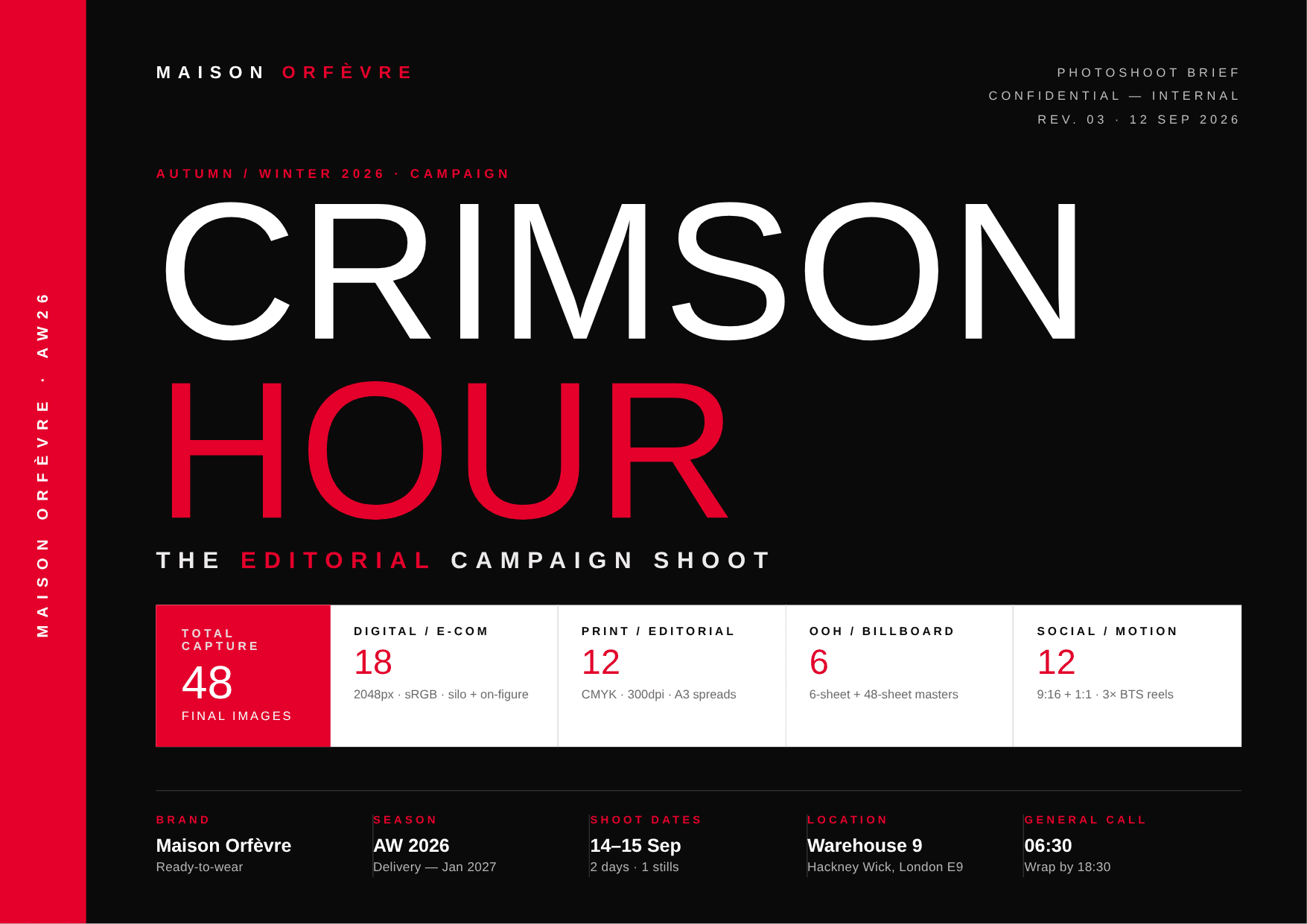 PDFCrimson Hour - AW26 Campaign Photoshoot Brief5 pages · open the file
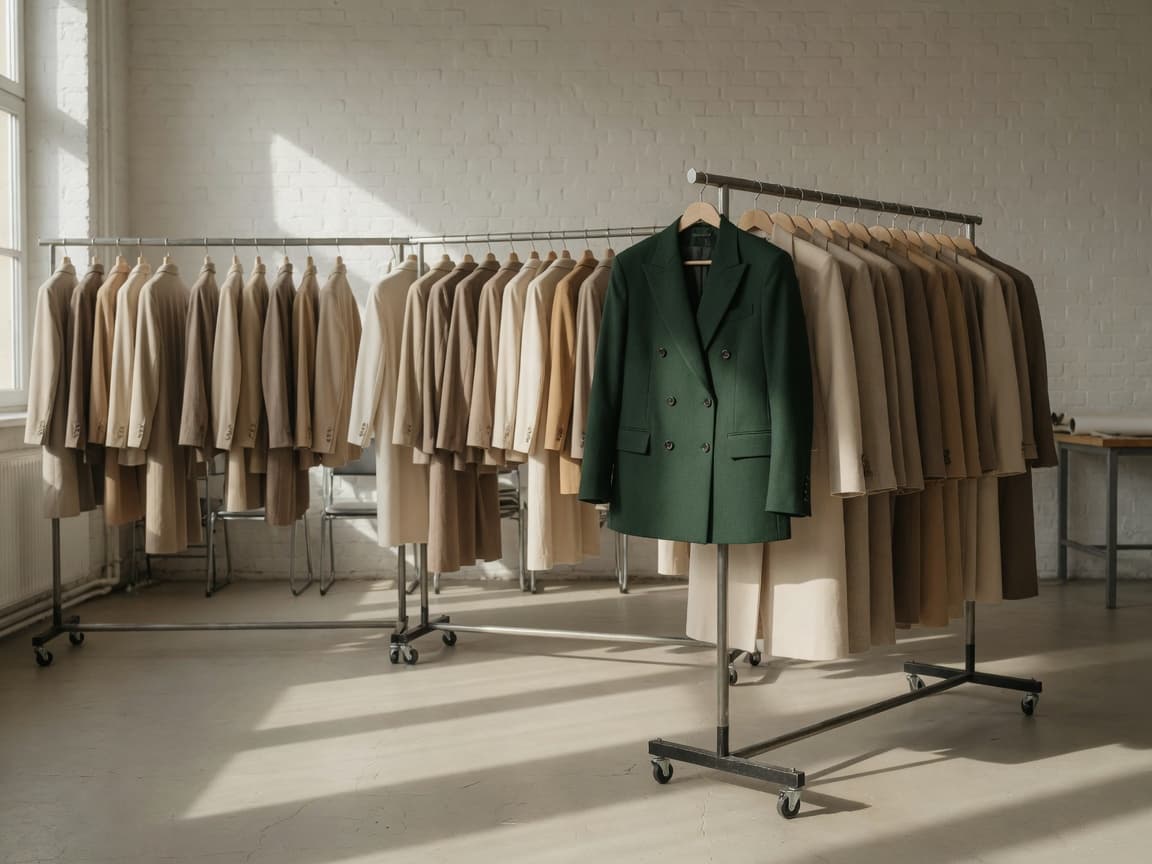
The season starts here and is decided eight weeks later, in a buy meeting. This is about closing that gap.
What actually runs
Fashion work is rarely one job, so it is not handed to one generalist. One system, 110 tools and 235 playbooks behind it.
Handed to
- Trend Forecaster
- Fashion Designer
- Buyer / Merchandiser
- Fashion Generalist
Get started
Start with a fashion question.
Ask it in plain language and get the document, the creative or the spec back - sourced, and yours to edit.