Solutions · For e-commerce & DTC teams
The Catalogue Imagery Agent produces complete, consistent imagery for every SKU from one product photo, without changing the product.
- Made for
- E-commerce, content, CRM and growth teams at direct brands
- You get
- Garment-true, on-brand imagery per SKU
Opens in Fashion mode, brief filled in. Standard plan and above.
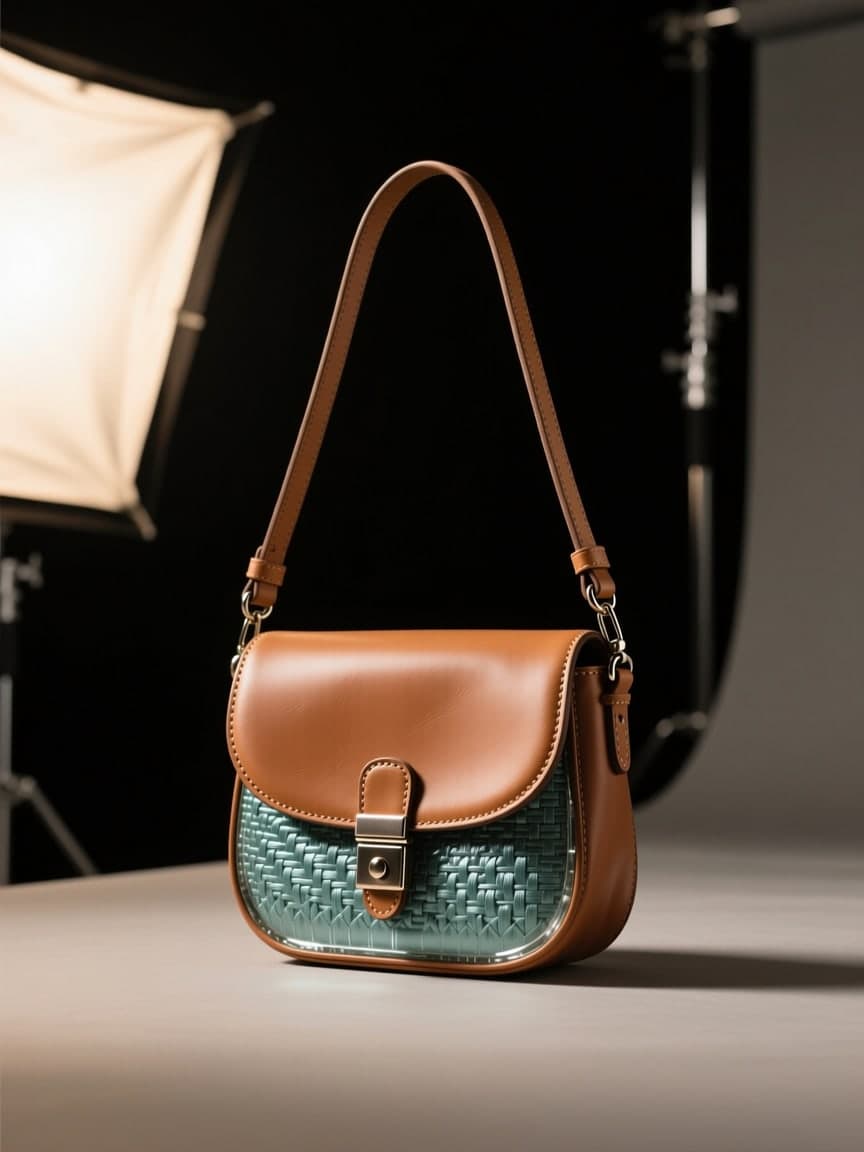
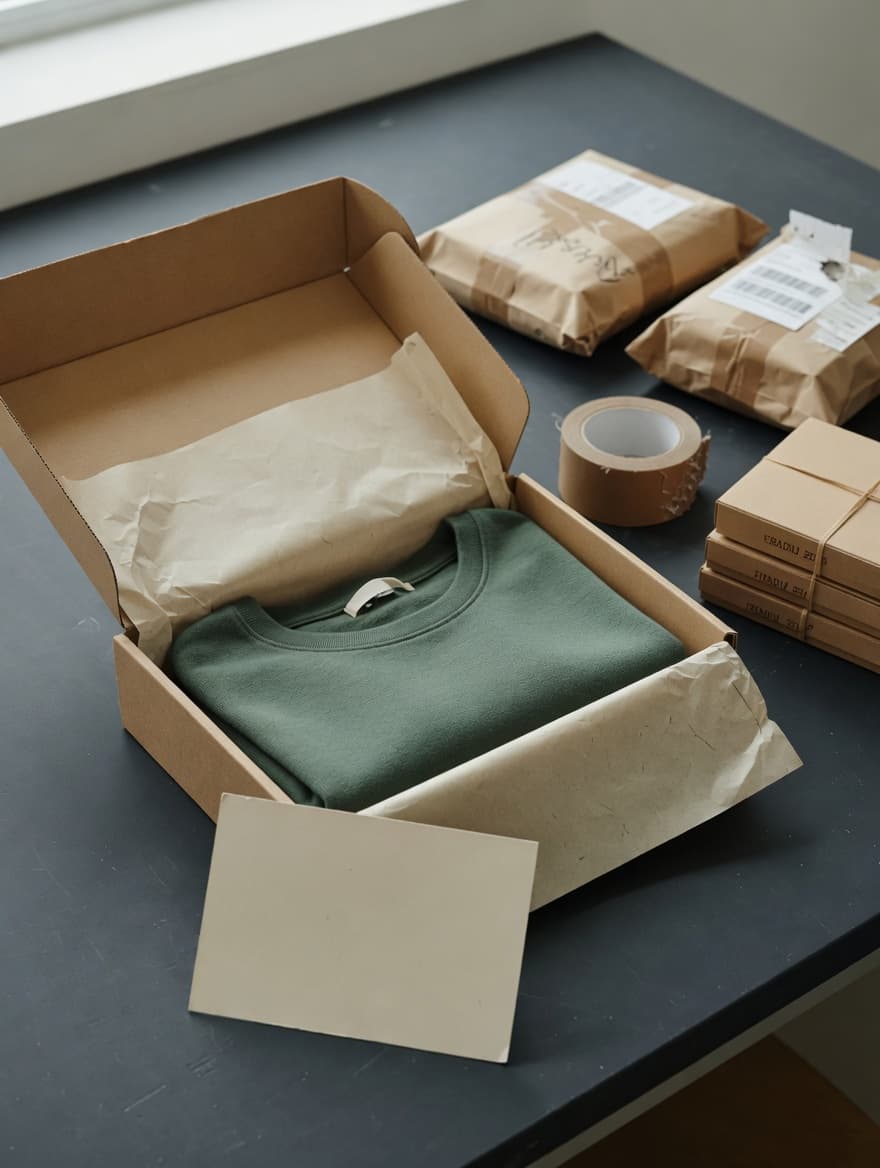
The job, before and after
Without it
The style goes up on one channel with a placeholder, or not at all, and it does not sell because it cannot be seen.
With McLeuker AI
Take every new style live - imagery, copy, every channel - the day it lands.
Every drop, every restock, every SKU.
Why it is hard
A DTC business runs on a content treadmill: every style needs imagery, copy, a page and a reason to come back, and the treadmill does not slow down because the team is small.
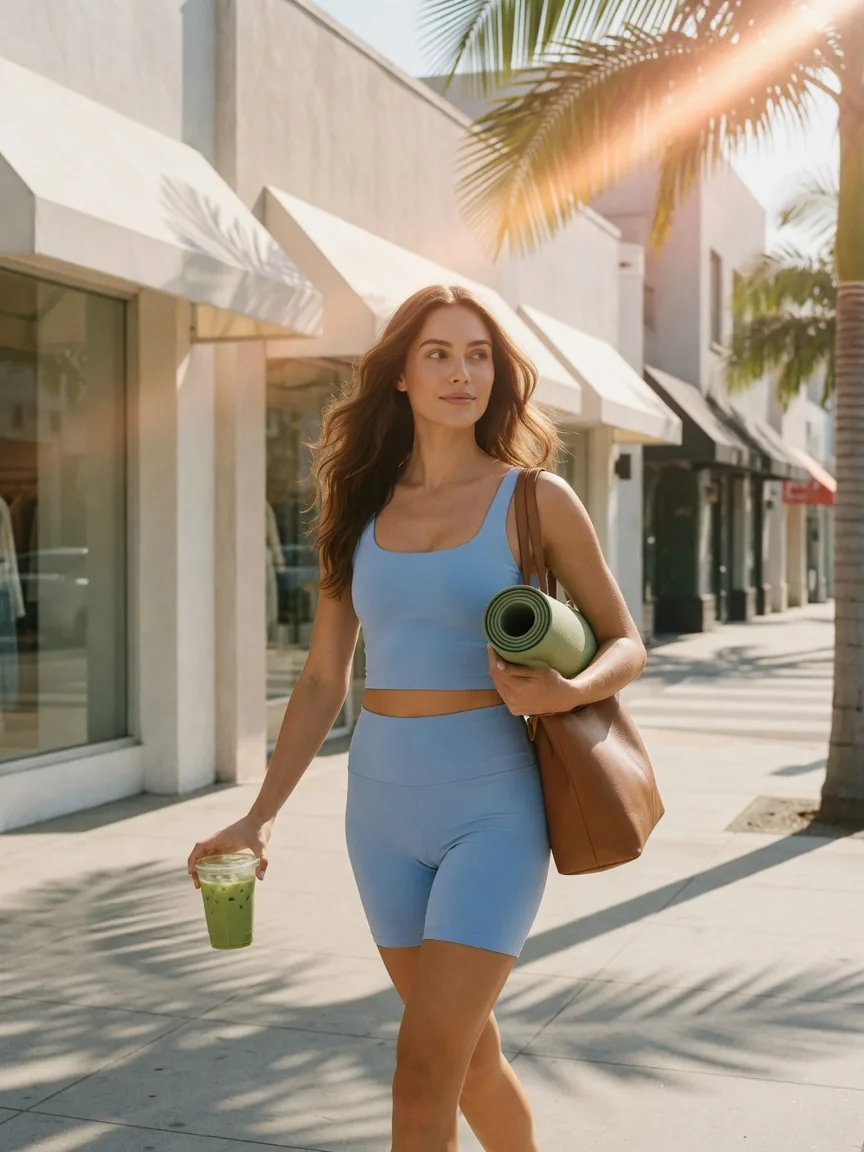
The agent
The Catalogue Imagery Agent
The agent produces complete, consistent imagery for every SKU from one product photo, without changing the product.
Make the full image set for these styles with the Catalogue Imagery Agent.
You fill in
- Product photos
- attach one per style
- House style
- use our saved brand kit, or describe crop, background, light
- Channels
- e.g. our site, Instagram, Zalando
- Models and sizes
- e.g. our saved roster, sizes S and XL
Read
Phase 1 of 4
- 01
Reads the sample photo, flat or supplier image
- 02
Detects category, colour, fabric and construction detailsBeta
Hold
Phase 2 of 4
- 03
Uses the real product photo as the reference for every frameBeta
- 04
Applies the house style guide: crop, background, light, gradeBeta
Make
Phase 3 of 4
- 05
Renders the piece on the brand's saved model castBeta
- 06
Generates colourways from one sampleBeta
- 07
Produces lifestyle and campaign framesBetaProduct Campaign
- 08
Makes a short product videoBetaVideo
Check and deliver
Phase 4 of 4
- 09
Cuts each format per channel: product page, social, marketplace
- 10
Looks at every image beside the original before it shipsBeta
- 11
Adds a visible AI-generated label where a channel requires oneBeta
- 12
Attaches the images to the product in your Shopify store, on your approvalBeta
Garment-true, on-brand imagery per SKU
In depth · Make
Four stages every style goes through. The third is where it stops.
Nothing here is hard on its own. All of it is hard at the size of a catalogue, every week, for a team that does not grow when the range does.
every style × every channel × every drop
- 01
Shoot it
The style needs imagery that matches the rest of the catalogue: same crop, same ground, same grade, whether it arrived as a sample, a flat or a supplier photograph.
- 02
Write it
Copy that says what it is, what it is made of and who it is for, without repeating the same three adjectives across two hundred styles. The repetition is what search engines and customers both read as thin.
- 03
Build the page
the queueAssemble the imagery, the copy, the size guidance and the cross-sells into a listing, and do it before the style is already on markdown. The photography is done and the page is still not live.
- 04
Bring people back
The lifecycle email, the social cut and the reason to return, drafted from the same product story rather than invented separately.
What you get
Garment-true, on-brand imagery per SKU.
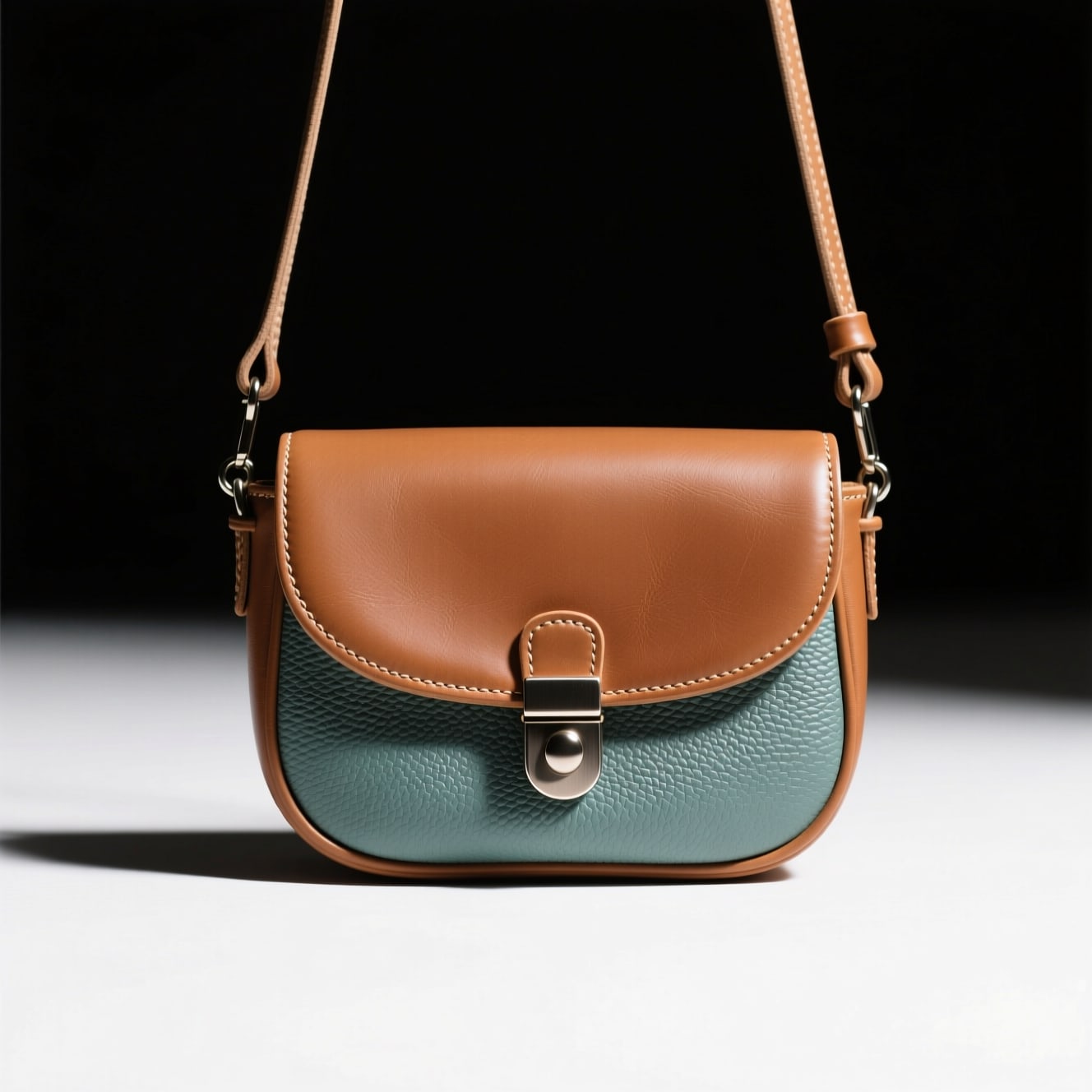
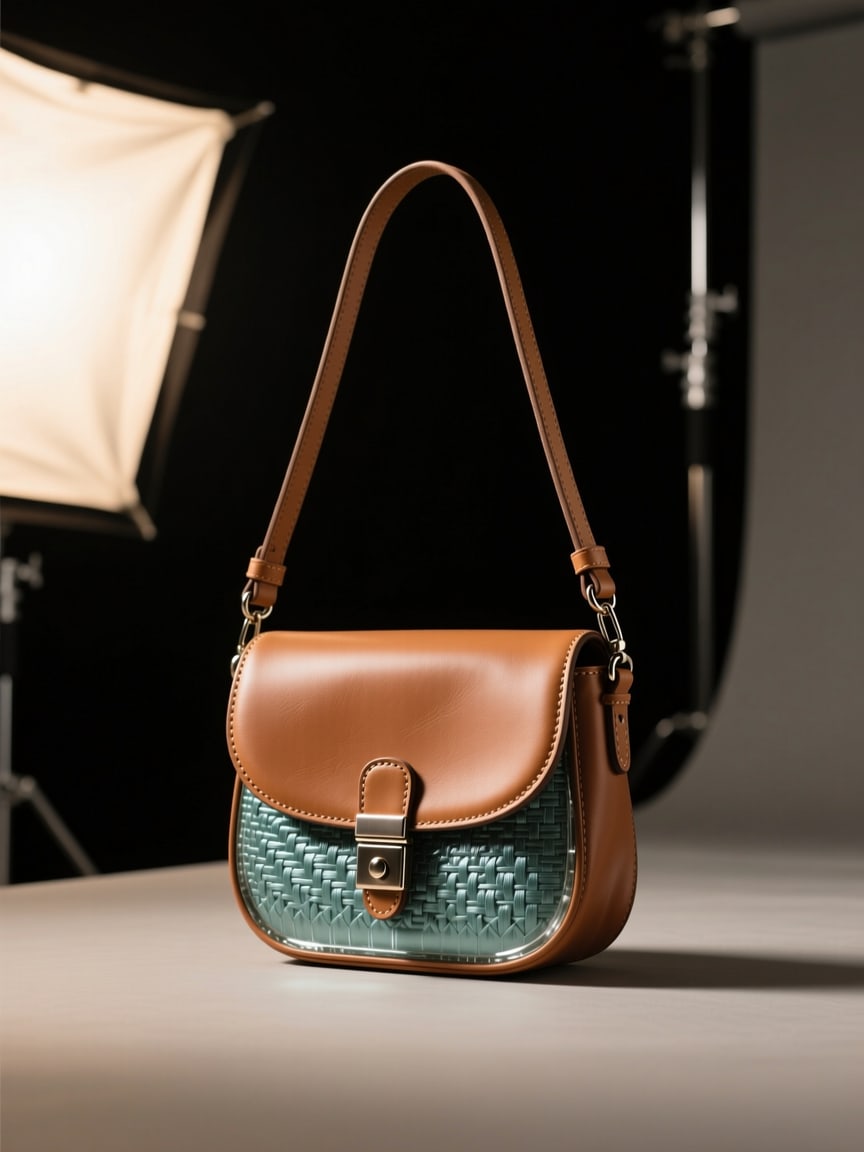
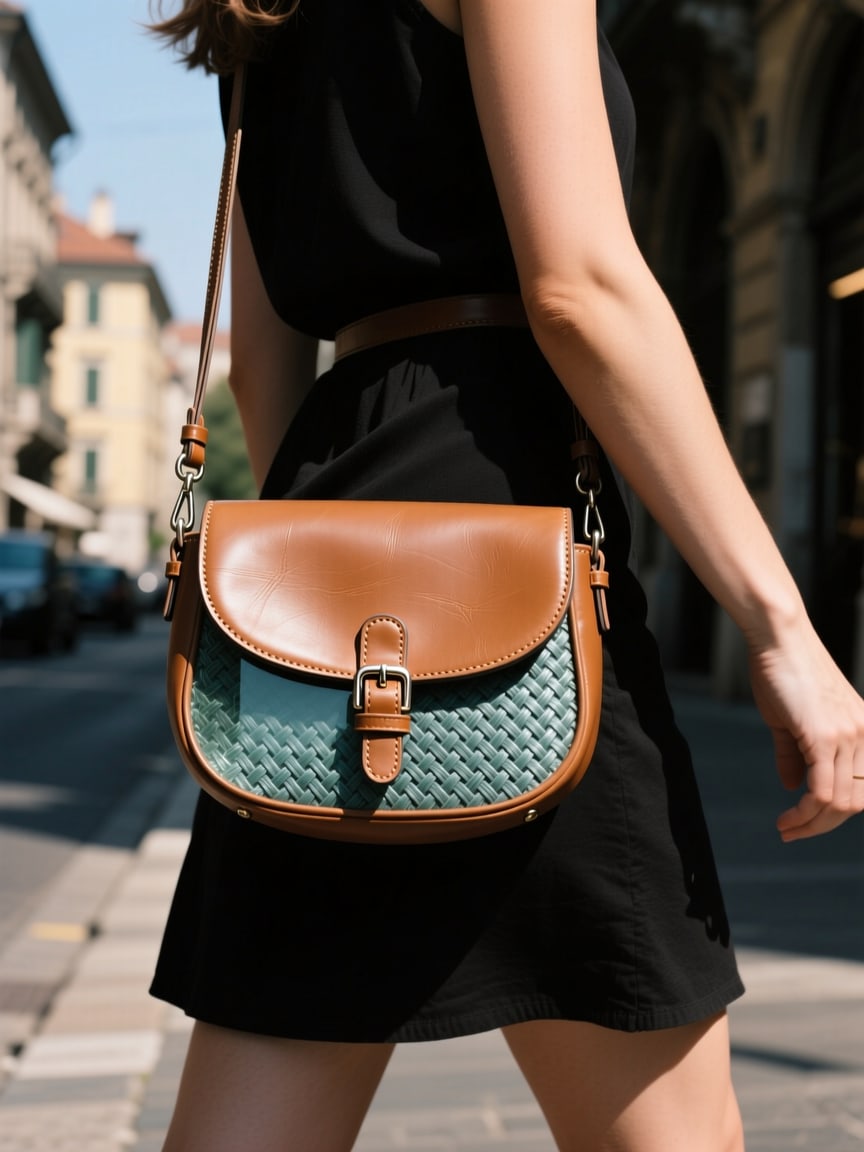
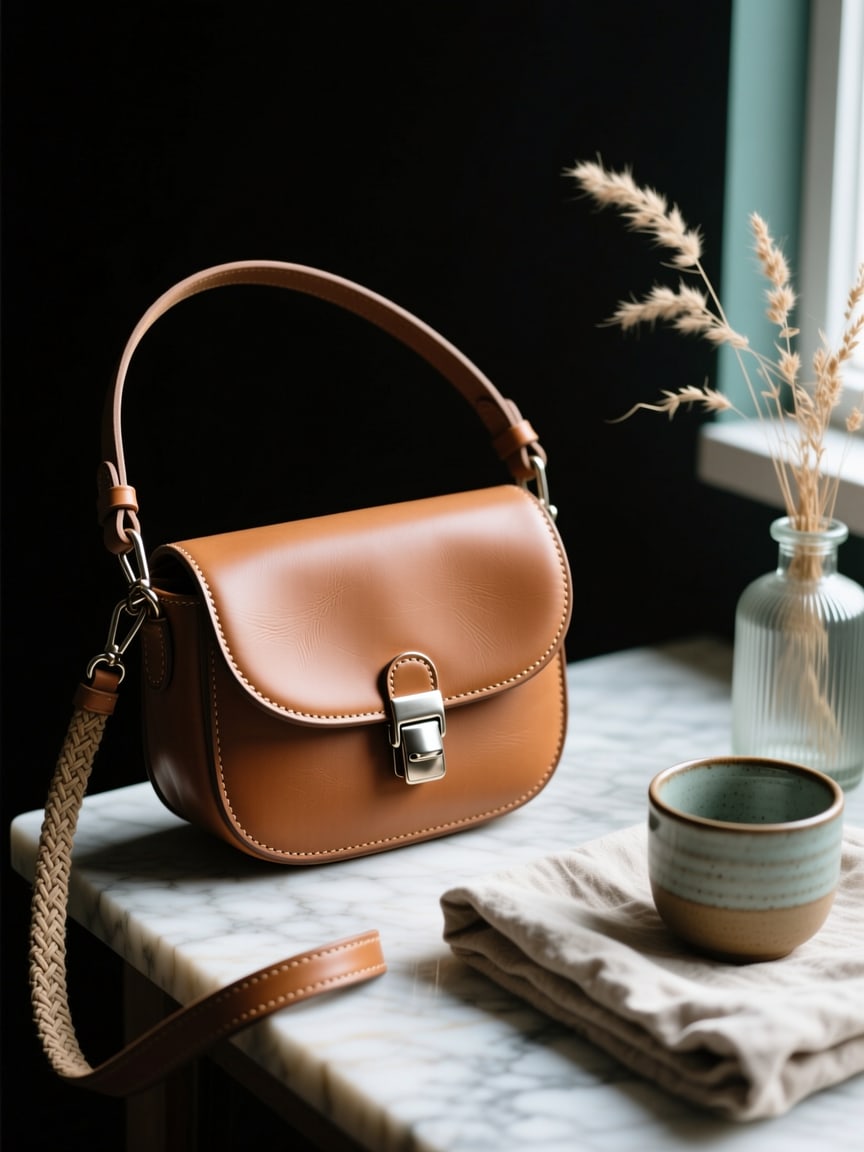
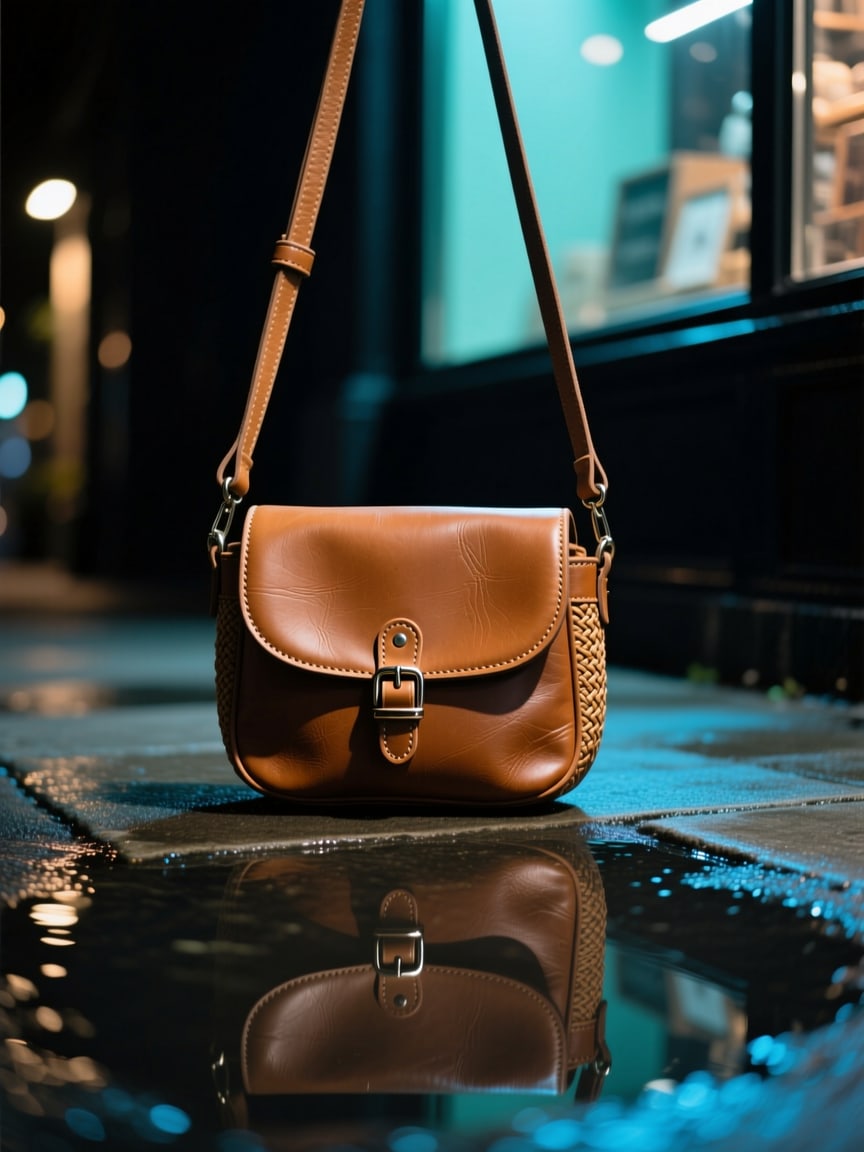
One product photo, first, and the frames made from it on McLeuker AI. The product is the same in every frame; only the setting changes.
Reports
5 briefings written for e-commerce & DTC.
Each one is the finished file, opened in full. Every figure in them is illustrative and each says so on its own cover; a real run researches and cites its numbers with an as-of year.
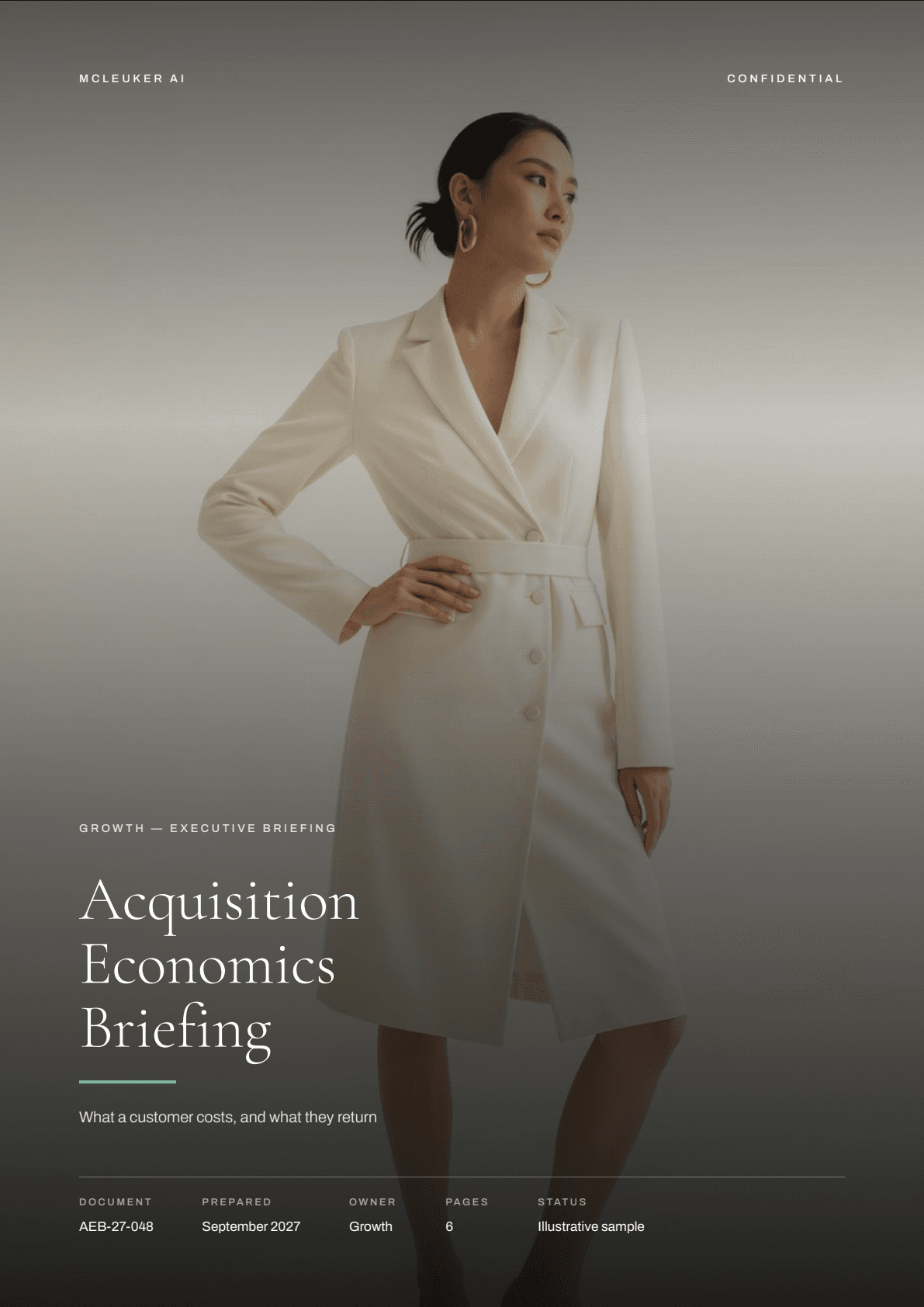 PDF · 6 pages
Acquisition Economics Briefing
What a customer costs, and what they return
Open the report4 more, same form
- Content Production BriefingThe imagery the catalogue needs, scoped and sequencedPDF · 6 pages
- Site Merchandising BriefingWhat the site is showing against what is sellingPDF · 6 pages
- Product Page Conversion BriefingWhere the product page loses the sale, and what it costs to fixPDF · 6 pages
- Returns and Fit BriefingWhere the returns are, and which of them are a specification problemPDF · 6 pages
Start
Start the Catalogue Imagery Agent.
Its brief opens in the composer. Fill in the [brackets] and send.
Fashion mode, on the Standard plan and above.
Next lane: Retail operations teams. The listing the images go on: product data checked and published.
Questions
Before you start.
What does it cost to start?
Signing up costs nothing. There is a Free plan and no card is needed: 300 welcome credits when you verify your email, 100 daily credits you can claim every 24 hours, and 3 questions a day in Instant and Thinking. The agents on the solution pages run in Fashion mode, which opens on the Standard plan and above. What each plan opens is on the pricing page.
How long does a run take?
It depends on the job. A studio run is minutes: a fashion collection takes about three minutes end to end, and a product campaign set about two minutes forty. An agent works through every step of its run and stops when the file is finished, so it takes longer; you can follow each step as it runs.
What do I need to bring?
A question or a brief is enough to start. Studios that work from your own material take it directly: a product photo, a store link or a description for a campaign; garments and a model or your own photo for try-on; a sketch, a reference or an existing spec for a tech pack. You can attach files to a message - one file of up to 10 MB on the Free plan, more on paid plans.
Can I edit the files afterwards?
Yes. Decks are PowerPoint with real text boxes, shapes and native charts; spreadsheets have typed cells and live formulas; Word documents keep their styles, headings and a table of contents that updates. Research reports come as an editable PDF or DOCX.
Is my data used to train models?
No. McLeuker AI does not use your content, your files or your connected-account data to train or fine-tune AI models, as the Privacy Policy and the Terms both state. Limited, aggregated and de-identified logs may be used to improve reliability and security.
Can it match our existing catalogue style?
It works from your own product photo as the reference for every frame, and from a house style you record once - crop, background, light and grade - which it applies on each run. It does not invent the back or side of a garment it has not been shown.
What does a missing image cost?
The sale. A style that goes live with one flat shot, or with a placeholder, does not sell because it cannot be seen - and the next drop is already arriving.