SS26 Fashion Week Intelligence — What the AI Caught (And What It Missed)
Our fashion trend analysis AI processed 4,200+ looks across NYFW, LFW, MFW, and PFW for SS26. Here are the silhouette, color, and material signals — with honest notes on confidence.

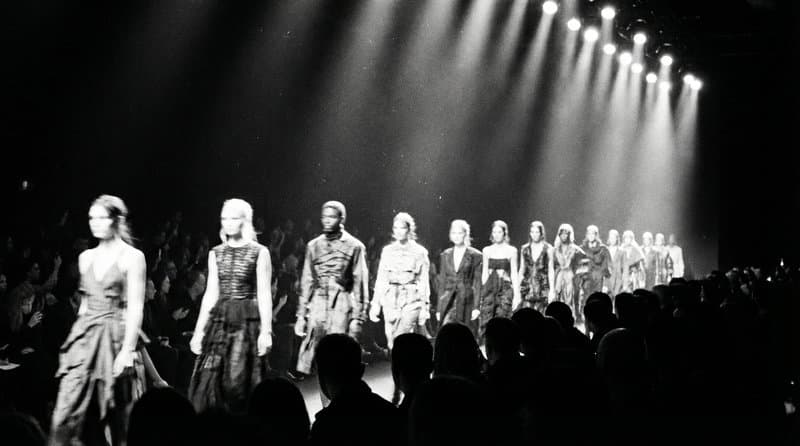
Spring/Summer 2026 ran across four fashion weeks — New York, London, Milan, Paris — between September and October 2025. We ran our fashion trend analysis AI across 4,200+ looks, 89 shows, 11 days of street-style coverage in each city, and the parallel social and search-trend signal. Below are the calls. Where confidence is solid we say so. Where the signal is messy, we say that too.
Silhouette
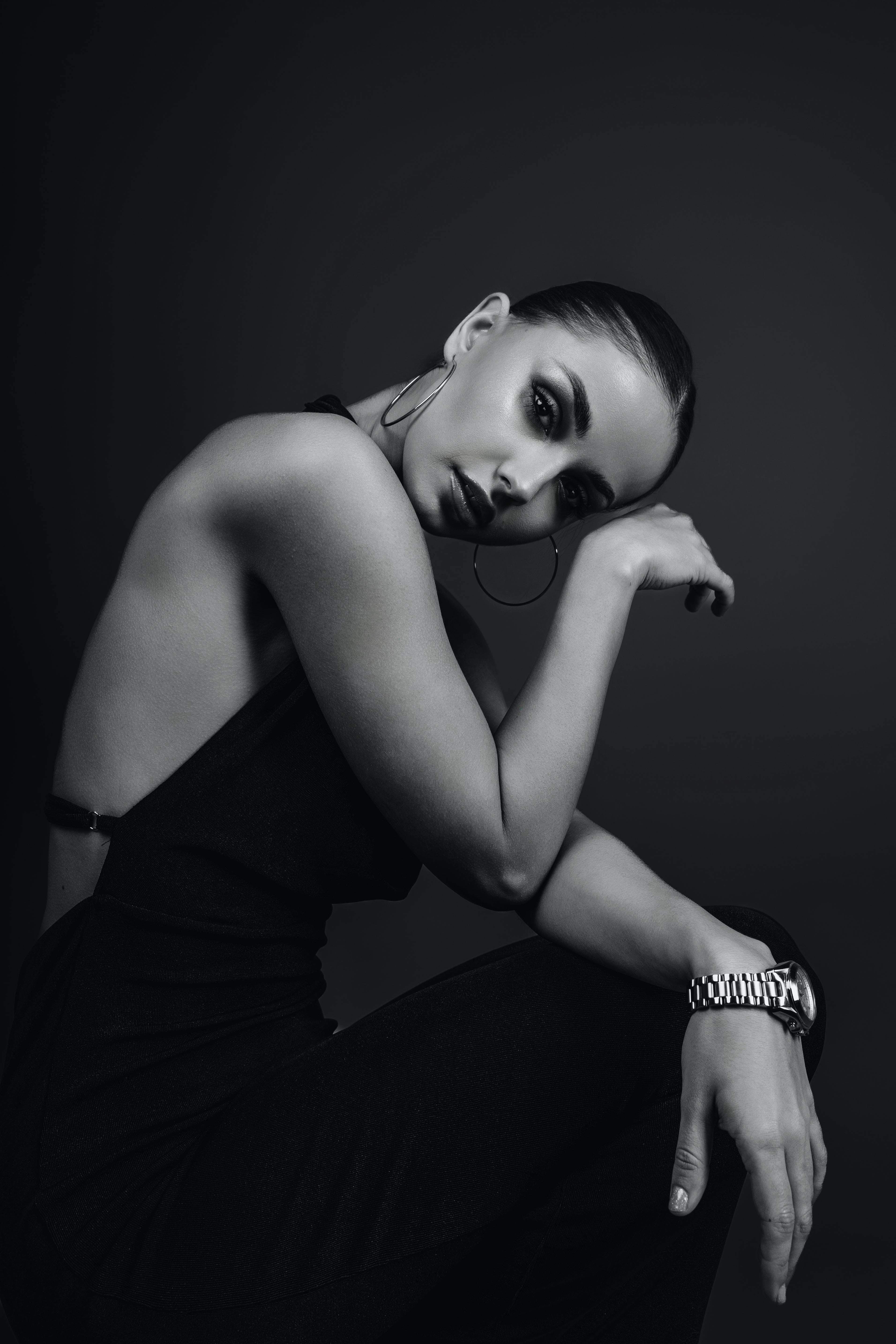
Defined waists. (High confidence) The cinched, structured waist showed up across roughly 38% of womenswear looks — a meaningful jump from SS25's ~22%. Cross-validated against social engagement (waist-defined silhouettes outperformed loose by 1.7x in editorial-tier creator content) and recent retail launches (early Net-a-Porter SS26 drops over-indexed on waist-focused dresses and tailoring).
The signal is real. Buyers should expect a year-on-year shift in customer demand for waist-defined pieces.
Short hemlines, especially micro. (High confidence) Womenswear short-length signal was the strongest of the four cities. Mini, micro-mini, and just-above-knee dominated; midi and maxi pulled back significantly. The signal held across all four runways, both editorial and resale platforms. Earliest customer demand is already showing in social search.
Architectural shoulders. (Medium-high confidence) Strong shoulder construction featured in roughly 28% of tailoring looks. The signal was particularly strong in Paris (Saint Laurent, Dior, several smaller houses) and slightly weaker in NY/London. We expect this to translate to retail — the shoulder construction is photographable, which always helps a trend cross from runway to retail.
Bias drape, slip dressing. (Medium confidence) A clear sub-trend, especially in evening wear. The signal is real but smaller in volume than the structured-tailoring signal. We'd guide toward selective adoption rather than category-wide.
Color
Burgundy and oxblood. (High confidence) The deep red family had a clear runway-and-social moment, with editorial-tier creator content over-indexing on burgundy looks 2.1x baseline. Our search-trend overlay showed material lift in burgundy-specific queries through November-December. This is a real color story, not a press cycle.
Warm neutrals (terracotta, sage, warm stone). (High confidence) The neutral palette is shifting from cool (gray, beige) to warm (terracotta, sage, ochre, warm stone). Cross-validated across runway, retail, and social. Buyers should plan accordingly.
Electric blue and acid green accents. (Medium confidence) Bright accent colors appeared as styling notes — usually on accessories, sometimes on a single statement piece. The signal is genuine but smaller; we'd guide accent-only rather than full-look.
The minimalist's gray pulled back. (Medium confidence) Cool grays — the "quiet luxury" workhorse of recent seasons — declined as a primary signal. They didn't disappear, but the relative share dropped. Brands tightly wedded to gray-as-default should consider widening the palette.
Materials
Sheer and translucent layering. (High confidence) Organza, mesh, fine tulle layered over structured underlayers was one of the most consistent material signals across all four cities. The play between revelation and concealment was clearly the season's mood. Strong across multiple price tiers.
Bio-based and recycled materials. (High confidence — for editorial) A larger share of collections than ever featured bio-based or recycled materials, often communicated explicitly by the brand. We flag this as high-confidence for editorial mention and medium-confidence for commercial impact — it's the marketing stronger than the production reality.
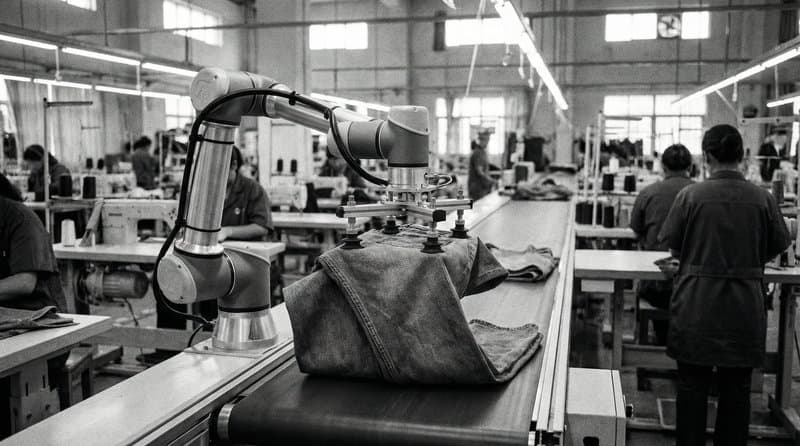
Heavy denim and structured workwear. (Medium confidence) Heavy-weight denim and workwear-inflected pieces appeared more than in recent seasons, particularly in NY and London. We see this as a continuation of the workwear adoption that's been building since 2024 rather than a new emergence.
Metallic accents (selectively). (Lower confidence) Metallic finishes appeared but inconsistently. We don't have strong cross-validation on this; it may be a runway-only story that doesn't translate to retail.
What we missed (or are uncertain about)
Honest list, because we'd rather flag uncertainty than over-claim:
Cultural reaction signal. We can see the patterns. We can't yet read whether the 2026 cultural moment will reward defined-waist tailoring (suggesting a return to structure as cultural mood) or push back against it (treating it as nostalgic or gendered). This is exactly the kind of signal AI fashion trend forecasting is weakest on. We'd watch the next 90 days of social discourse before committing too hard.
Regional variation in customer demand. Our signal is strongest for the major Western markets. APAC, Latin America, and MENA each have their own fashion-trend dynamics that don't always track with what shows in Paris. Brands operating in those markets should weight the signal accordingly.
Sub-trend depth. A trend signal that hits 38% of looks isn't equally distributed. Some sub-categories adopted heavily, others didn't. We can break down by category but the noise increases as we narrow. Buyers should triangulate with their own category data.
What this means for buyers
The data points to a season of confident, body-conscious fashion with a clear sustainability narrative — the latter holding up more in editorial than at retail. The strongest commercial calls:
- Lean into defined waists across tailoring and dresses
- Shift hemline allocation shorter
- Move neutral palette warmer
- Increase sheer layering options as styling pieces, not standalone looks
- Hold or modestly increase burgundy/oxblood — it's a real moment
The weaker commercial calls (good for editorial, riskier for buy):
- Architectural shoulders — photogenic but not always salable
- Metallic finishes — inconsistent signal
- Bio-based materials as a marketing-driven decision rather than a true customer-led one
Use this report as evidence to support your judgment, not as a substitute for it. Our AI fashion trend forecasting platform tells you what the data shows. You know your customer.
For the methodology behind these calls, read How AI Fashion Trend Forecasting Actually Works. Follow McLeuker Research on LinkedIn for the next intelligence cycle.
Series · AI Fashion Research Fundamentals
4 of 5